Top 10 Benefits of Using Remote Monitoring Pump Solutions?
Remote Monitoring Pumps are revolutionizing the industry. These advanced solutions enhance efficiency and reliability for operations worldwide. According to a recent report by the Global Market Insights Group, the market for remote monitoring technology is expected to reach $5 billion by 2026. This highlights the growing importance of integrating remote monitoring into various sectors.
Dr. Sarah Thompson, a noted expert in pump technology, emphasizes the significance of these systems: "Remote Monitoring Pumps not only improve operational efficiency but also reduce downtime." Her insights underline the transformative potential of real-time monitoring in maintaining equipment functionality. Many organizations still struggle with unexpected pump failures, resulting in significant losses.
Embracing Remote Monitoring Pump technology can address these issues. Despite its benefits, some users hesitate due to unfamiliarity with the systems. It's essential for stakeholders to explore these solutions to prevent future operational pitfalls. As the industry evolves, the advantages of effective monitoring will only increase, tempting those still on the fence to reconsider their strategies.
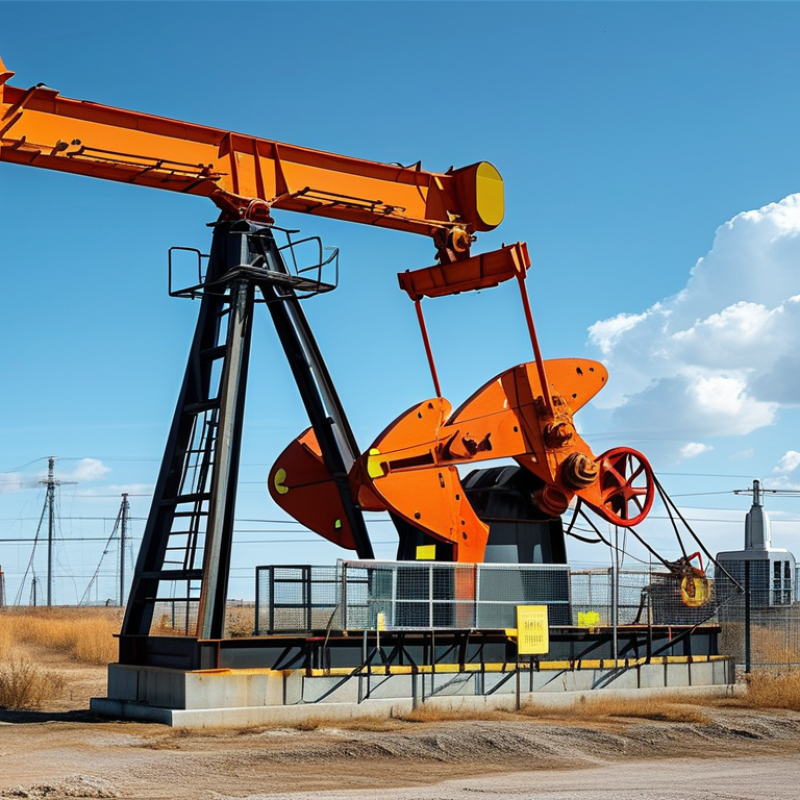
Understanding Remote Monitoring Pump Solutions
Remote monitoring pump solutions represent a significant advancement in industry efficiency. These systems allow operators to oversee multiple pumps from a distance, providing key insights into their performance. Real-time data on flow rates, pressure, and operational conditions is invaluable. It helps detect potential issues early, reducing downtime. Operators can adjust settings remotely, saving time and resources.
Understanding these solutions involves grasping their core components. Sensors monitor various metrics, feeding this information directly to a centralized platform. The user interface often displays data visually, making it easier to interpret trends. However, the technology is not infallible. Connectivity issues may arise, leading to potential gaps in monitoring. Regular updates and maintenance are essential for reliability.
Another aspect to consider is user training. Operators must understand how to interpret data and when to act. This knowledge gap can lead to delays in response times. Investing in training ensures that staff are empowered to make informed decisions. Addressing these challenges is crucial for maximizing the benefits of remote monitoring.
Enhanced Operational Efficiency Through Remote Monitoring
Remote monitoring pump solutions enhance operational efficiency significantly.
These systems provide real-time data on pump performance, leading to timely interventions.
With immediate access to performance metrics, operators can quickly identify issues.
Early detection reduces downtime, ensuring that pumps operate smoothly.
Tips:
Consistently review data logs.
Set regular alerts for abnormalities. Engage your team in training on using monitoring tools effectively.
Remote monitoring also aids in resource allocation.
Managers can see where pumps need attention, allowing for focused maintenance efforts.
This reduces unnecessary trips to sites. It promotes better planning and budgeting, leveraging resources wisely.
Tips:
Schedule routine evaluations of monitoring systems.
Always keep backup data to prevent loss. Foster a culture of continuous improvement in your operations.
Even with advanced monitoring, challenges remain.
Data overload can lead to analysis paralysis. Not all anomalies indicate serious problems.
Pause and prioritize issues to tackle them effectively.
Engaging with a team can provide fresh perspectives on data interpretation.
Cost Savings and Resource Optimization with Remote Pumps
The adoption of remote monitoring pump solutions offers significant cost savings and optimizes resources for various industries. A study by the International Society for Automation (ISA) highlights that companies can save up to 30% on operational costs through effective monitoring systems. Real-time data reduces downtime and enhances predictive maintenance, ultimately cutting unnecessary expenses.
For businesses, this means reallocating funds to innovation and growth. Additionally, resource optimization is crucial. According to a report from McKinsey, organizations using remote monitoring improve resource utilization by 25%. This equates to less energy waste and reduced wear on equipment. Operational efficiency not only enhances productivity but also promotes sustainability.
Tips: Regularly review metrics from your monitoring systems. Adjustments based on these insights can prevent excessive resource use. Encourage team collaboration to ensure data-driven decisions. Remember, even with advanced technology, the human factor remains essential in executing strategies effectively. Embracing an iterative approach helps identify areas needing improvement and achieves long-term success.
Improved Safety and Reliability of Pump Operations
Remote monitoring pump solutions significantly enhance the safety and reliability of pump operations. According to recent industry reports, over 30% of pump failures occur due to lack of timely maintenance.
Remote monitoring systems provide real-time data, allowing operators to address issues before they escalate. This proactive approach helps in preventing catastrophic failures.
Predictive analytics play a crucial role here. By analyzing trends and anomalies, operators can predict potential breakdowns. Research indicates that organizations using such technology have reduced downtime by up to 25%. This not only improves safety but also increases operational efficiency. Scheduled maintenance strategies based on data insights often lead to 15% savings in maintenance costs.
Despite these benefits, challenges persist. Integrating remote monitoring systems with older equipment can be complex. Some firms may also face resistance to adopting new technologies. However, overcoming these hurdles can lead to a more resilient pump operation. The focus should be on evolving practices based on reliable data to create safer work environments.
Real-Time Data Analytics and Performance Insights
Remote monitoring pump solutions have revolutionized how industries manage operations. Real-time data analytics is key to improving efficiency. According to a report by the International Data Corporation, companies that adopt real-time analytics see productivity increases of up to 30%. This real-time data helps operators make informed decisions, reducing downtime and enhancing overall performance.
Regular performance insights allow for proactive maintenance. This reduces unexpected failures and cuts repair costs. A study by McKinsey indicates that predictive maintenance can lower equipment maintenance costs by 25% to 30%. Operators can adjust pump settings based on immediate feedback, optimizing resource use. Such agility can lead to significant savings.
Tips: Implement a data monitoring routine. This ensures regular insights are captured. Train teams to interpret this data effectively. Regular reviews of analytics can help identify areas for improvement and track progress. Focus on integrating these practices into daily operations for lasting benefits.