Best Sewage Pump Options for Efficient Waste Management?
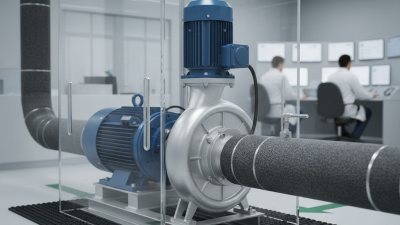
Efficient waste management is crucial for any residential or commercial property. One of the key components in this process is the sewage pump. A sewage pump is designed to transport waste and sewage to higher elevations or through underground pipes. Its importance cannot be overstated, especially in areas prone to flooding or those lacking gravity drainage systems.
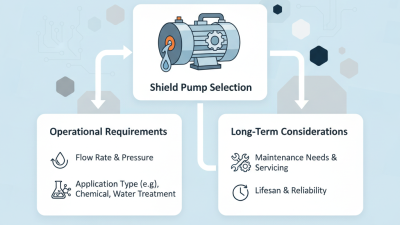
Choosing the right sewage pump can be challenging. Many factors come into play, such as horsepower, build quality, and the type of waste it can handle. Not all pumps are created equal, and poor choices can lead to costly repairs. Some units may struggle to manage debris effectively, leading to blockages. Additionally, environmental concerns should not be overlooked. Efficient models not only save energy but also minimize environmental impact.
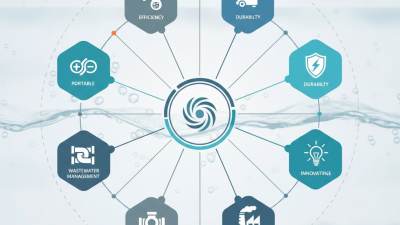
It is essential to evaluate your specific needs when selecting a sewage pump. Look for options that combine durability, efficiency, and reliability. In the end, investing in a quality sewage pump can result in significant long-term savings and peace of mind.
Overview of Sewage Pumps and Their Importance in Waste Management
Sewage pumps play a vital role in waste management systems. These pumps are designed to efficiently move wastewater from lower to higher ground, ensuring smooth operation in residential and commercial settings. According to industry reports, about 70% of urban areas depend on sewage pumping stations to manage their drainage effectively. Without these systems, communities would face significant health risks and environmental issues.
The importance of sewage pumps is underscored by the growing demand for effective waste management solutions. In 2022, the global sewage pump market was valued at approximately $9.5 billion, reflecting a steady growth as municipalities invest in infrastructure. Many pumps are equipped with advanced technology to handle solids and reduce blockages, which are critical in preventing overflow incidents. However, improper maintenance can lead to failures, causing backups that may pose public health threats.
Despite these advancements, challenges remain. Some systems face vulnerabilities due to aging infrastructure and lack of proper monitoring. As cities expand, the burden on sewage pumps increases. Thus, continuous assessment and upgrades are necessary to adapt to growing demands. Awareness of these factors can promote better practices in waste management and ensure community safety.
Types of Sewage Pumps: Submersible vs. Above-Ground
When choosing a sewage pump, you often face a critical decision: submersible or above-ground. Each type has distinct features. Submersible pumps operate underwater. They are typically more efficient for deep installations and can handle larger volumes of waste. Due to their design, they reduce the risk of clogs caused by debris. However, installation can be challenging and requires proper sealing to prevent leaks.
On the other hand, above-ground pumps are easier to maintain. They remain accessible, making repairs simpler. However, their performance might not match that of submersible pumps in some situations. They can be less efficient at moving waste over long distances. Ultimately, the choice depends on specific needs, installation conditions, and budget constraints. Consider how much waste you manage and the location of your system. Each type comes with pros and cons that demand careful evaluation.
Best Sewage Pump Options for Efficient Waste Management
This bar chart compares different types of sewage pumps based on their efficiency, average lifespan, and average cost. Submersible pumps generally offer better efficiency but come at a higher price, while above-ground pumps are more cost-effective with a shorter lifespan.
Key Features to Consider When Choosing a Sewage Pump
When selecting a sewage pump, several key features can enhance efficiency and reliability. One vital aspect is the pump's horsepower. Higher horsepower usually translates to better performance, especially in heavy-duty applications. Assess the size of your wastewater system to ensure the pump can handle the volume effectively.
Another crucial factor is the material of the pump. Many pumps use cast iron or thermoplastic for durability. However, the environment may call for a specific material choice. Always consider the specific conditions in which the pump will operate. This choice can affect longevity and resistance to corrosion.
**Tips:** Look for pumps with automatic float switches. They help maintain water levels, ensuring minimal human intervention. Regular maintenance checks are essential, too. Ignoring small issues can lead to significant breakdowns later. Additionally, consider the pump’s noise level, especially if it's installed near living spaces. Choose a model that operates quietly for a more pleasant environment.
Top Rated Sewage Pumps for Home and Commercial Use
When considering sewage pumps, it's crucial to evaluate both home and commercial needs. Research indicates that roughly 50% of sewage pump failures stem from improper sizing and installation. Selecting the right pump ensures efficient waste management while minimizing maintenance costs.
Homeowners often prefer submersible pumps due to their ability to operate underwater, preventing odors and minimizing noise. In contrast, commercial setups may benefit from more robust options, as they need to handle higher volumes of waste. Studies show that pumps with higher horsepower can move waste at a significantly faster rate, reducing the risk of clogs.
Cost efficiency is another vital factor. Reports suggest that advanced pumps can reduce energy costs by up to 30% compared to older models. However, some users report that initial investment can be daunting. It calls for careful budgeting and planning. A balance between upfront costs and long-term savings should guide decision-making. Ultimately, selecting a sewage pump involves careful consideration of specific requirements.
Maintenance Tips for Ensuring Optimal Performance of Sewage Pumps
When it comes to sewage pumps, maintenance is crucial for optimal performance. Regular upkeep can prevent costly failures, ensuring waste is managed effectively. According to industry studies, poor maintenance can lead to 20% more breakdowns. Pumps should be inspected at least once every six months.
Checking the sump pit is essential. Remove debris and ensure it's free of obstructions. This simple task can enhance the pump's lifespan significantly. Additionally,
cleaning filters and impellers regularly can prevent clogs. A clogged pump can reduce efficiency by up to
50%.
Pay attention to unusual noises or vibrations. These can indicate impending issues. If you notice them, consider performing a deeper inspection. Keeping a maintenance log helps track these observations, which can be useful for identifying patterns. Neglecting small problems can lead to bigger, costlier repairs later.