Leave Your Message

China Top 10 Clean Water Pump Manufacturers 2026?

Clean water infrastructure is moving from a basic utility concern to a measurable efficiency priority. According to the WHO/UNICEF Joint Monitoring Programme, 2.2 billion people lacked safely managed drinking water in 2022. That gap keeps reliable pumping equipment in focus. A dependable Clean Water Pump must deliver stable flow, suitable pressure, corrosion resistance, and safe materials.

China remains a major manufacturing base for centrifugal, self-priming, multistage, and submersible pumps. China’s Ministry of Water Resources reported total national water use of approximately 590.7 billion cubic metres in 2023. This scale supports deep supply chains, specialized motor production, and extensive export experience. The International Energy Agency has also estimated that the water sector uses about 4% of global electricity. Pump efficiency therefore affects both operating costs and environmental performance.

This overview evaluates ten leading Chinese manufacturers through practical criteria. These include hydraulic performance, motor efficiency, factory testing, material quality, certification evidence, customization, delivery capability, and after-sales support. Standards such as ISO 9001, CE, NSF, or WRAS may apply differently by market. Buyers should verify each claim.

No ranking is perfect. Some published specifications are difficult to compare. A laboratory curve may not reflect muddy water, voltage fluctuations, or long operating hours. Real performance matters. The selected companies are presented as strong candidates, not automatic winners. Users should request test reports, reference projects, warranty terms, and maintenance details before purchasing. This approach aims to make China’s Clean Water Pump sector easier to understand, while leaving room for careful review and healthy doubt.
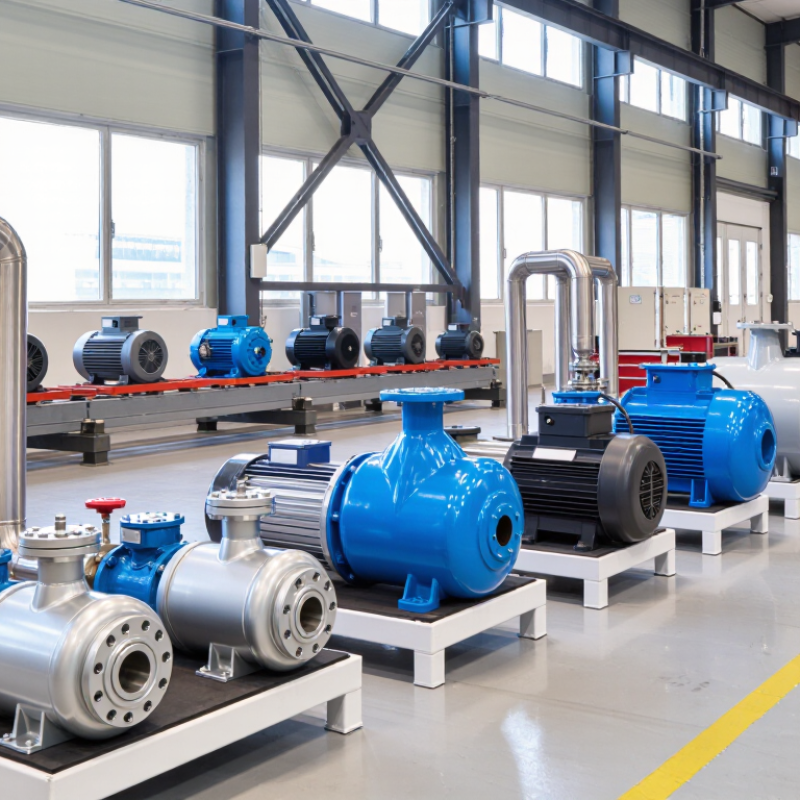
China Top 10 Clean Water Pump Manufacturers 2026?

What Are Clean Water Pumps and Why Do They Matter?

Clean water pumps are designed to move water with few suspended solids, such as drinking water, rainwater, and household supply water. Unlike wastewater pumps, they usually cannot handle mud, fibers, or large debris. Their smooth impellers and narrow passages improve flow, but they also demand cleaner working conditions.

Why do they matter? A reliable pump can deliver steady pressure to a kitchen tap, apartment tank, irrigation line, or small treatment system. It also affects energy use. An oversized pump may create noisy pressure and waste electricity. An undersized model may run continuously and fail early. Practical selection should consider flow rate, lifting height, pipe length, water temperature, and power supply. Material quality matters too. Stainless steel parts, suitable seals, and corrosion-resistant housings can support safer operation.

A careful inspection should check vibration, leakage, unusual sounds, and changing water pressure. Small signs often appear before major damage. Maintenance is not always difficult. Cleaning the inlet filter and checking electrical connections can prevent avoidable faults. Still, no pump fits every site. Local water conditions may differ from the catalog data. This is where many purchasing decisions become imperfect. Buyers should verify tested performance, documentation, warranty terms, and applicable drinking-water requirements before choosing among Chinese manufacturers. Low price alone is a weak measure of reliability.
How China’s Clean Water Pump Manufacturers Are Evaluated

How China’s Clean Water Pump Manufacturers Are Evaluated

Evaluating China’s clean water pump manufacturers requires more than comparing prices. A reliable assessment begins with factory experience, engineering records, and documented production controls. Reviewers should examine how pumps perform with different water temperatures, flow rates, and installation pressures. Field evidence matters. Long-term operating data often reveals weaknesses that a short laboratory test misses.

Material selection is another important measure. Stainless steel components, stable seals, and corrosion-resistant coatings can improve service life. However, every claim needs evidence. Inspectors should compare product samples with technical drawings and verify testing procedures. Energy efficiency, vibration, noise, leakage control, and motor protection deserve separate checks. Certification documents also need current verification and clear testing scopes.

Supplier reliability includes communication after delivery. Can the technical team explain a pressure drop clearly? Are spare parts traceable? Does the manufacturer provide useful installation guidance? These details show practical expertise. A factory may present excellent test results, yet field performance can vary because of poor pipe design or incorrect sizing. That difference should be reported, not hidden. No score is perfect. A transparent evaluation records missing data, delayed responses, and design limitations alongside strengths. This approach helps buyers compare manufacturers with evidence rather than polished promises.

China Top 10 Clean Water Pump Manufacturers 2026 – How China’s Clean Water Pump Manufacturers Are Evaluated
No. Evaluation Dimension What Is Evaluated Relevant Standard or Evidence Recommended Benchmark for Ranking Suggested Weight
1 Hydraulic Performance Verified flow rate, total head, pump efficiency, operating range, and performance stability at the specified duty point. ISO 9906 or GB/T 3216 test procedures; certified performance curves and test reports. Performance test results should remain within the applicable tolerance of the declared curve, with clear duty-point data. 18%
2 Energy Efficiency Hydraulic efficiency, motor efficiency, wire-to-water efficiency, and compatibility with variable-frequency operation. IEC 60034-30-1 motor efficiency classes; measured input power and operating efficiency. Use high-efficiency motors, publish efficiency data, and demonstrate low life-cycle energy consumption. 14%
3 Material and Water-Contact Safety Suitability of wetted components for clean water, corrosion resistance, shaft and seal materials, and absence of unsuitable coatings. Material certificates, stainless-steel grade documentation, elastomer specifications, and applicable drinking-water requirements. Clearly identified materials such as 304 or 316 stainless steel where required, supported by traceable documentation. 12%
4 Manufacturing Quality Control Process control for casting, machining, balancing, assembly, pressure testing, electrical testing, and final inspection. ISO 9001 quality-management certification, inspection plans, calibration records, and batch traceability. Documented quality procedures with inspection records covering every critical production stage. 12%
5 Reliability and Service Life Mechanical-seal durability, bearing quality, motor thermal protection, vibration, noise, and continuous-duty capability. Factory endurance testing, vibration measurements, insulation tests, and documented failure-rate or warranty records. Stable operation under continuous duty, controlled vibration, robust sealing, and a clearly defined warranty policy. 12%
6 Product Range and Customization Coverage of end-suction, multistage, inline, submersible, booster, circulation, and other clean-water pump configurations. Published product catalogues, technical drawings, pump curves, configurable motor options, and application references. Broad application coverage with configurable materials, voltage, frequency, seals, connections, and control systems. 10%
7 Electrical and Mechanical Safety Motor protection, insulation performance, ingress protection, grounding, overload protection, and safe rotating assemblies. IEC 60034, IEC 60529 ingress-protection ratings, applicable GB standards, and electrical safety test reports. Appropriate IP protection, thermal overload protection, compliant electrical documentation, and safe installation instructions. 8%
8 Testing and Certification Transparency Authenticity and completeness of performance reports, certificates, factory acceptance tests, and third-party verification. Traceable laboratory reports, certificate validity checks, calibration certificates, and customer-witnessed testing where required. Technical claims should be independently verifiable and consistent with the supplied product configuration. 6%
9 Delivery and Supply Capability Production capacity, component availability, standard-model lead time, export packaging, and ability to support repeat orders. Production schedules, inventory controls, packaging specifications, order records, and documented logistics procedures. Reliable delivery commitments, stable component sourcing, and repeatable quality across multiple production batches. 4%
10 After-Sales and Technical Support Selection assistance, installation guidance, commissioning support, spare-parts availability, response time, and warranty service. Service procedures, spare-parts lists, troubleshooting manuals, training materials, and written warranty terms. Responsive technical support with documented service channels and long-term availability of critical replacement parts. 4%
The table uses supplier-neutral evaluation criteria and publicly recognized technical standards. Final rankings should be based on verified factory documents, product testing, sample inspections, customer references, and total life-cycle cost rather than marketing claims alone.

China’s Top 10 Clean Water Pump Manufacturers in 2026

China’s Top 10 Clean Water Pump Manufacturers in 2026 reflect a market shaped by efficiency, reliability, and export capability.

The global water pump market continues to expand, with Mordor Intelligence reporting steady growth through 2030. China remains a major production base, supported by mature casting, motor, and control-system supply chains. However, production scale alone does not prove pump quality.

This selection should examine verified factory experience, ISO 9001 systems, hydraulic test facilities, and compliance with applicable Chinese standards.

Energy performance deserves close attention. The International Energy Agency estimates that motor-driven systems consume nearly half of global electricity, while pumping systems represent a significant share. A pump that saves electricity every operating hour can reduce lifetime costs, even when its purchase price is higher.

Field service matters too. A clean-water pump may operate beside a small treatment tank, under dusty outdoor conditions, or inside a crowded municipal plant.

The strongest manufacturers usually provide documented flow curves, material certificates, spare-parts support, and practical commissioning guidance.

Yet this ranking is not absolute. Public data can be incomplete, and some factories report laboratory efficiency without enough long-term field evidence. Buyers should compare actual duty points, noise levels, seal life, and warranty response.

Reports from the China Water & Wastewater Association also highlight the sector’s continued investment in treatment and distribution infrastructure. That creates opportunity, but it raises expectations. A polished catalogue is not enough.

Key Products, Technologies, and Industries Served

China’s leading ten clean water pump manufacturers in 2026 are defined by more than production volume. Their key products include centrifugal, submersible, multistage, and booster pumps for different pressure and flow requirements. Many manufacturers now offer stainless-steel models for drinking water systems, hotels, hospitals, and food-processing plants. Compact designs help installers work inside narrow utility rooms.

Technology is changing pump selection. Variable-frequency drives adjust motor speed when demand shifts, reducing unnecessary energy use. Smart sensors can track pressure, temperature, vibration, and dry-running conditions. Remote monitoring is useful for municipal stations and large irrigation networks. Mechanical seals, corrosion-resistant coatings, and improved impellers extend service life. However, a catalog rating is not field proof. Independent performance testing remains important.

These manufacturers serve municipal water treatment, agriculture, construction, aquaculture, mining, and industrial circulation systems. Agricultural users may need high-flow pumps for long pipelines, while apartment buildings often require stable booster pressure. Wastewater applications demand stronger solids handling and easier maintenance access. In real projects, installation quality can matter as much as pump design. Poor pipe sizing, unstable electricity, or neglected filters can reduce performance quickly. Buyers should compare efficiency curves, spare-parts support, noise levels, warranty terms, and local technical service. The best choice is not always the most powerful one.

How to Choose the Right Chinese Clean Water Pump Manufacturer

Choosing a Chinese clean water pump manufacturer in 2026 requires more than comparing prices. Start with the pump’s actual duty point: flow rate, head, liquid temperature, and operating hours. A reliable manufacturer should provide tested performance curves, material details, and clear efficiency data. Ask whether the pump is designed for potable water, irrigation, building supply, or another specific use. “Clean water” is not always the same application.

Inspect the factory’s quality system and production process. Check motor testing, hydraulic testing, sealing inspection, and traceability for key components. Request recent test reports, certification documents, and references from similar projects. A serious supplier should explain tolerances, noise levels, spare parts, and warranty conditions without avoiding difficult questions. Factory videos are useful, but an independent inspection is stronger evidence. Some suppliers present excellent samples but inconsistent batch quality. That risk deserves attention.

Tips: Compare three technical quotations, not just three prices. Confirm the pump curve at your operating point. Ask for a sample inspection before bulk production. Clarify response times for faults and spare-part delivery. Read the warranty exclusions carefully. If the supplier cannot explain energy consumption in simple terms, pause. A cheaper pump may create higher electricity and maintenance costs over several years. Also, do not rely on certificates alone; verify their scope, validity, and connection to the exact model. Good sourcing is rarely perfect, and assumptions should be tested.