Choosing the right Home Booster Pump starts with a real symptom: a shower that weakens when someone opens the kitchen tap, or an upstairs faucet that barely fills a kettle. The best choice is not automatically the pump with the highest pressure rating. It is the unit sized for your home’s water supply, pipework, fixtures, and daily demand. Small details matter. Count the bathrooms, note when pressure drops, and check the pump’s flow and pressure requirements before comparing models.
A useful rule of thumb from residential pump specialists is: “Match the pump to the weakest point in the system, not the biggest number on the box.” Treat this as general guidance, not a verified quotation from a named expert. For a reliable recommendation, consult a qualified pump installer or the manufacturer’s technical team, and confirm their credentials and product specifications. A pump that is too powerful may create noise or strain pipes; one that is undersized may leave the upstairs shower disappointing. It is easy to overlook those trade-offs.
This guide explains how to assess household demand, compare pump types, and review installation needs. It also covers practical checks, such as available space, connection sizes, and whether the system needs a pressure tank. No single model suits every home. That is worth admitting. Careful sizing, clear product data, and professional advice can help you choose a Home Booster Pump that delivers steadier water pressure without paying for capacity you do not need.
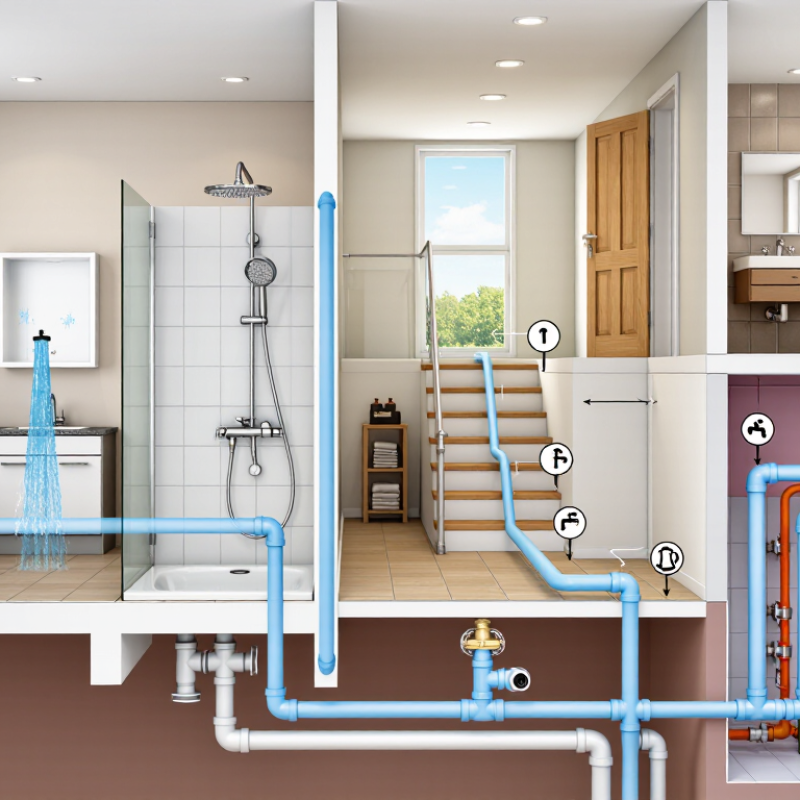
Before selecting a booster pump, measure the pressure your home receives. A simple pressure gauge can connect to an outdoor hose faucet or laundry outlet. Take one reading when no water is running, then another while a shower or tap is flowing. The difference matters. Static pressure shows the system at rest; flowing pressure reveals what fixtures actually experience.
Check the readings at busy times, such as early morning, when several taps may run together. Note which fixtures lose pressure and whether the problem affects the whole house. A weak upstairs shower may involve elevation or narrow, aging pipes, not just low supply pressure. This is where estimates get messy. One reading can mislead, so repeat the test if results seem unusual.
Next, consider how much pressure your household needs at its most demanding fixture. Account for the height of upper floors, pipe friction, and simultaneous use. A pump that is too small may not improve flow; one set too high can strain pipes, fittings, and appliances. Check the pressure limits listed for your plumbing equipment and follow local installation requirements. If you cannot tell whether the restriction comes from the supply, a filter, or a pipe, have a qualified plumber assess the system before choosing a pump.
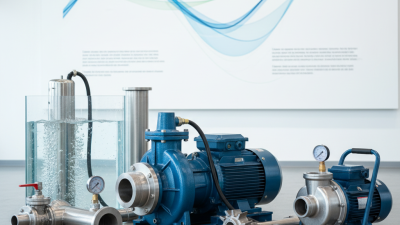
Start at the source. Check whether water comes from a municipal main, a private well, or a storage tank. Then measure pressure while a tap is running; static pressure alone can hide a weak supply. Note the required flow, elevation rise, and pipe size. A bathroom upstairs needs different performance from a garden tap. The USGS report Estimated Use of Water in the United States in 2015 found that 42.5 million people relied on self-supplied domestic water, mostly from wells. That makes identifying a private well’s depth and yield essential, not optional.
Match the pump to that source. For a well, a submersible pump suits deeper installations, while a jet pump can serve shallower wells. A tank or cistern usually calls for a centrifugal booster, selected to maintain pressure at the actual flow rate. For municipal water, confirm utility requirements before adding a direct-line booster; some systems require an atmospheric break tank. I have seen pump choices made from pipe diameter alone. It is an easy shortcut, but a poor one. The U.S. Department of Energy’s Improving Pumping System Performance sourcebook notes that pumping systems use nearly 20% of global electricity demand. Avoid oversizing: it can waste energy and create noisy, fluctuating pressure. Check the pump curve against your measured duty point.
Choosing a home booster pump means matching flow and pressure at the same time. EPA WaterSense limits labeled showerheads to 2.0 gallons per minute (gpm) and bathroom faucets to 1.5 gpm. If both run together, their combined demand may reach 3.5 gpm. Treat that as a practical example, not a whole-house peak: other fixtures can add demand. The USGS 2015 water-use report estimated public-supply withdrawals at about 82 gallons per person per day. That national average offers context, but it cannot size a pump for a home’s busiest minutes.
Pressure is not the same as flow. Measure inlet pressure with a gauge, then estimate the pressure increase needed at the fixtures. Each 1 psi of pressure rise requires about 2.31 feet of water head, before pipe friction and elevation changes. For example, a 20 psi increase represents roughly 46 feet of head, plus losses. That extra allowance is easy to overlook.
Read the pump curve, not just the largest numbers on the label. A pump’s rated maximum flow may occur at very low pressure; its useful capacity is the flow available at your required pressure. Compare that operating point with the likely simultaneous demand, such as a shower and a faucet. A common sizing shortcut is to add every fixture’s maximum flow, but that can overshoot real use. It is still worth checking how the household actually uses water, then allowing a modest margin for uncertainty.
How to Choose the Best Home Booster Pump?
Evaluate Energy Use, Noise, Installation, and Maintenance
A booster pump may run for only a few minutes at a time, but frequent starts can add noticeable energy use. Check its rated power and flow range, then compare them with your household’s actual demand. A unit sized for several showers may be wasteful in a small home. Bigger is not always better.
Listen for noise before choosing a location. Pumps can transmit vibration through pipes, cupboards, and wall panels, especially near bedrooms. A firm, level base and flexible connectors can help reduce rattling. Still, no installation makes every pump silent. If possible, ask how loud it sounds during normal operation, not just at idle.
Installation needs vary with pipe layout, available space, and the water supply. Confirm that the pump can be fitted with accessible isolation valves and room for servicing. A cramped cupboard may look convenient until a filter needs cleaning. Check the manufacturer’s maintenance schedule, and ask whether routine tasks require a qualified installer. Keep a simple record of unusual cycling, leaks, or changes in water pressure. Small details matter. I would also recheck the sizing after observing peak use for a week; estimates are easy to get wrong.
Estimated annual energy use at one operating hour per day, calculated from the example electrical input ratings shown. Actual consumption depends on pump selection, water demand, and operating time.
Selection tip: Choose a pump that meets your required flow and pressure without oversizing. Compare measured noise levels, check installation space and plumbing requirements, and review how easily filters and other service parts can be accessed. Energy estimates use input power × 365 hours per year; they are examples, not product-performance claims.
How to Choose the Best Home Booster Pump?
Match Safety Features and Cost to Your Household Needs
A suitable booster pump should match your household’s peak water demand, not just its number of taps. The U.S. Geological Survey’s Estimated Use of Water in the United States in 2015 reports average domestic use of about 82 gallons per person per day. That figure offers context, not a sizing rule. A shower, washing machine, and garden tap running together can create a brief pressure spike. Small homes differ. Check your incoming pressure and likely simultaneous use before comparing pump capacity.
Safety features affect both reliability and repair costs. Dry-run protection can shut a pump off when its water supply fails; thermal overload protection helps prevent damage from overheating. A pressure gauge and automatic controller make pressure changes easier to spot. Choose a model with serviceable parts and a clear warranty, then compare installation, electricity, and maintenance costs—not only the purchase price. A cheaper pump may cost more if it cycles constantly or needs early repair. Still, feature lists can look reassuring; confirm they suit your plumbing and water source.
Tips: Note pressure at the farthest tap. Ask an installer to check pipe size and electrical capacity. Keep the manual nearby. Little details matter.
| Household Need | Pump Setup to Consider | How to Match Capacity | Key Safety and Protection Features | Indicative Equipment Cost | Best Fit and Trade-Offs |
|---|---|---|---|---|---|
| Small home or apartment with one bathroom | Compact automatic booster, often with a small pressure vessel or electronic flow control. | Size for the fixtures likely to run at the same time. Check the pump curve at the required pressure; maximum flow alone does not show performance at working pressure. | Look for dry-run protection, thermal overload protection, and an automatic pressure or flow controller. Confirm that the pump is suitable for the water source. | About US$100–$350 for the pump unit; installation is extra. | Usually the lower-cost option for a modest pressure improvement. Small units may not maintain strong pressure when several fixtures operate together. |
| Family home with two bathrooms or frequent simultaneous use | Variable-speed constant-pressure booster, or an automatic pump paired with a suitably sized pressure tank. | Estimate peak simultaneous demand from the actual fixtures and required pressure. Ask an installer to calculate the system duty point, including pipe losses and elevation. | Prefer dry-run and motor-overload protection, a pressure sensor with suitable control limits, and a correctly rated check valve. Verify that the system cannot exceed the safe pressure rating of connected plumbing. | About US$400–$1,200 for many variable-speed units; installation is extra. | Costs more than a basic pump but can provide steadier pressure as demand changes. The final result depends on correct sizing and installation. |
| Multi-story home or long pipe runs | Variable-speed booster selected for the elevation and pipe layout; a pressure tank may be included or specified separately. | Allow for static lift as well as friction loss in pipes, fittings, filters, and valves. A pump’s stated maximum head is not the same as its usable flow at the required pressure. | Use a pressure gauge and set-point limits, dry-run protection, and motor thermal protection. Have an installer check pipe and appliance pressure ratings and provide pressure relief where required by the system design or local code. | About US$500–$1,500+ for equipment, depending on capacity and controls; installation is extra. | Useful where elevation or pipe resistance is significant. A larger pump is not automatically better: excess pressure can damage plumbing or cause leaks. |
| Water supplied from a storage tank or cistern | Booster pump designed for the tank arrangement, with an appropriate inlet, control system, and pressure vessel if needed. | Check the pump’s permitted suction conditions, tank water level, inlet pipe size, and required delivery pressure. Keep the pump within the manufacturer’s specified suction lift. | Use low-water or dry-run shutdown, thermal protection, and a screened inlet where appropriate. Protect stored drinking water from contamination and use materials approved for potable water. | About US$200–$1,000+, depending on pump type and controls; tank and installation costs are extra. | A practical choice when the tank is the supply source. The pump must be matched to the tank layout; an unsuitable suction arrangement can cause loss of prime or damage. |
| Lowest upfront cost; modest and occasional pressure improvement | Single-speed automatic pump controlled by a pressure switch, often paired with a pressure tank. | Compare the pump curve with the required flow and pressure, and check the pressure-switch operating range. Consider how often the pump will start under small water demands. | Choose a model with motor overload protection and dry-run protection where available. A correctly sized pressure tank can reduce frequent cycling; install check and isolation valves as required. | About US$150–$600 for common pump-and-control combinations; installation is extra. | Often less expensive and straightforward to service. Pressure can vary between switch cut-in and cut-out points, and frequent starts may shorten equipment life. |
Cost note: These are broad, illustrative U.S. equipment-only price ranges, not quotes; prices vary by capacity, features, location, and date. Installation, wiring, valves, tanks, and plumbing changes may add cost. Before purchase, confirm local plumbing rules and water-utility requirements. In many locations, a booster must not be connected directly to a public water main without approval; a break tank and suitable backflow protection may be required.