How to Choose the Best Low Noise Pump for Your Needs?
Choosing the right Low Noise Pump is crucial for various applications. In industries like agriculture, manufacturing, and HVAC, noise pollution can be a significant concern. According to the U.S. Environmental Protection Agency, noise can disrupt processes and affect health. For instance, excessive noise levels can lead to stress and decreased productivity among workers.
When selecting a Low Noise Pump, consider your specific needs and environment. A recent market analysis shows that low noise pumps have become increasingly popular. The global market is projected to grow by 6% annually. This indicates a rising awareness of the benefits of quieter operations. However, not all pumps are created equal. Some models may still produce more noise than claimed, leading to dissatisfaction.
It's essential to weigh your options carefully. Look for reliable product specifications and third-party reviews. Choosing the right Low Noise Pump is not just about performance. It’s also about ensuring a peaceful and efficient working environment. Balancing these factors can make all the difference in your overall satisfaction.
Understanding the Importance of Noise Level in Pumps for Your Application
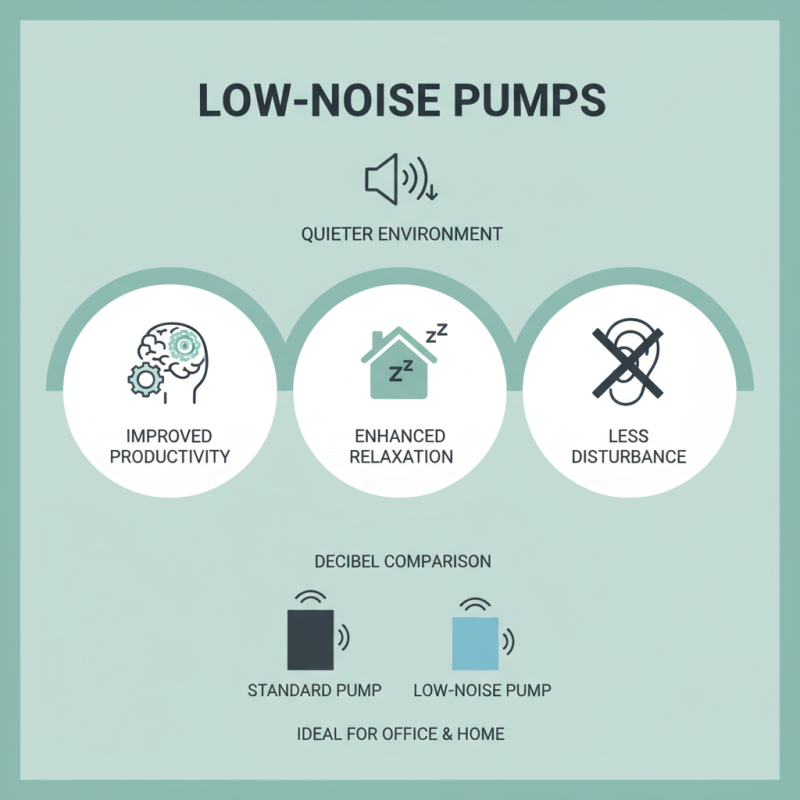
When selecting a pump for your needs, noise level is crucial. A low noise pump can significantly improve your environment. Whether in a quiet office or a peaceful home, excess noise can be distracting. It may even harm productivity or relaxation. Different applications have varying noise requirements. A pump operating at low decibels will be less intrusive.
Considering the noise level is often overlooked. Many focus on efficiency and output, missing the impact of sound. Understanding how noise affects people can lead to better choices. For example, a water feature in a garden should be soothing, not jarring. High-quality sound insulation could be a worth considering addition for certain installations.
Choosing a low noise pump involves research and reflection. What works for one application might not suit another. Take time to assess your specific needs. Evaluate the sound ratings of various models. Sometimes, what seems like a minor detail can influence comfort greatly. Balancing performance and sound level can be challenging. Yet, this balance is essential for creating the right atmosphere.
Evaluating Different Types of Low Noise Pumps: Options and Features
When selecting a low noise pump, it's essential to evaluate various types and their features. Centrifugal pumps are often preferred for their efficiency and flow rates. Yet, they can generate noise levels up to 85 dB. Alternatively, diaphragm pumps typically operate between 60-75 dB, making them a quieter option for sensitive environments. A recent industry report indicates that the demand for low noise technology in residential and commercial settings is increasing. In fact, about 30% of consumers prioritize noise levels over performance.
Another critical aspect is the pump material. Stainless steel pumps are known for durability and enhanced performance, yet they can resonate more sound than plastic alternatives. Plastic pumps may offer quieter operation, but they might not handle high pressure well. While considering these options, you might find the balance between functionality and noise reduction challenging. Industry trends show that modular designs are gaining popularity for their flexibility. They can adapt to various applications while minimizing noise emissions.
Additionally, variable speed drives can optimize pump operation. This feature allows users to adjust RPM according to needs, significantly reducing noise during low demand. However, the complexity of installation may deter some users. A survey noted that 45% of end users find the installation process daunting. Understanding these dynamics will help refine your choices. Evaluating your specific needs in sound level, efficiency, and installation complexity can lead to a more informed decision.
Key Specifications to Consider: Flow Rate, Pressure, and Efficiency
When selecting a low noise pump, three key specifications are crucial:
flow rate,
pressure, and
efficiency.
The flow rate indicates how much liquid the pump can move in a specific time. A higher flow rate
often means quicker results. However, this can also lead to
increased noise levels. It’s important to find a balance between flow and sound.
Pressure is another factor to consider. It shows how forcefully the pump can push the liquid.
If the pressure is too low, performance suffers. If too high,
it may create unwanted noise. Understanding the needs of your system can help avoid this.
Efficiency affects both energy costs and noise levels. An efficient pump works well with less energy,
reducing operational noise. But achieving high efficiency is
sometimes tricky. Test your options if possible. Each pump behaves differently in various environments.
Make sure to evaluate your specific situation carefully. Finding the right low noise pump requires
attention to these details.
Analyzing Noise Reduction Technologies: Silent Operation Mechanisms
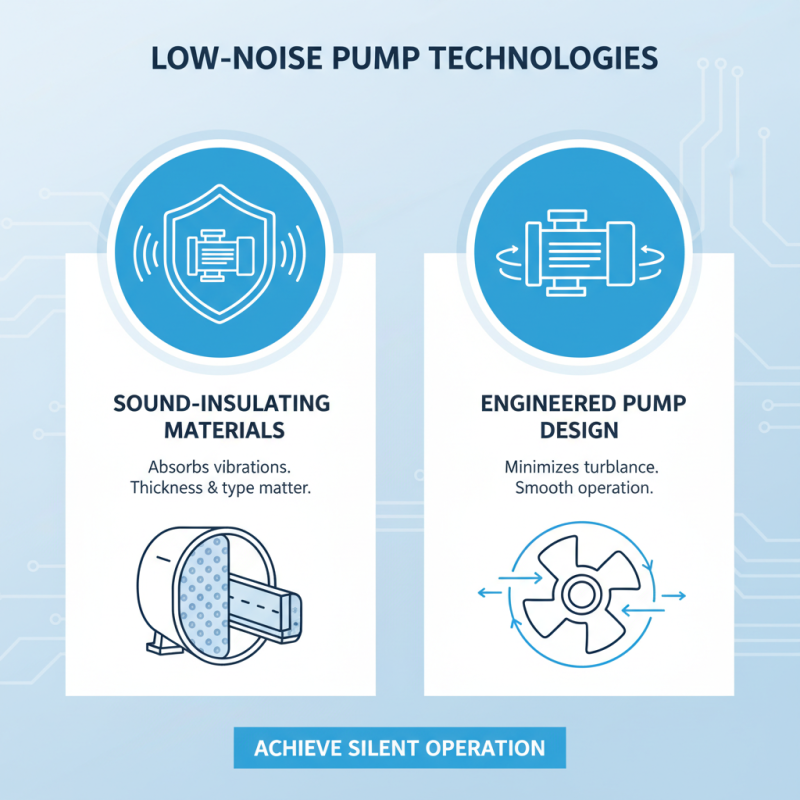
When seeking a low noise pump, understanding noise reduction technologies is vital. Various mechanisms help achieve silent operation. One common method is the use of sound-insulating materials. These materials absorb vibrations that would otherwise create noise. The thickness and type of insulation can significantly impact sound levels. Another effective approach is the design of the pump itself. A well-engineered pump minimizes turbulence, thus reducing noise during operation.
Variable speed drives can also enhance quietness. By adjusting the motor speed, these drives reduce energy consumption. They operate at lower speeds when full power isn’t needed. This control results in less noise. Moreover, some pumps incorporate advanced rotor designs to lower sound frequencies. This innovation can lead to a more pleasant acoustic environment.
However, it is important to consider limitations. Not all low noise pumps are effective in every situation. Some environments may still produce reverberation, changing how noise is perceived. Additionally, the initial investment might be higher. Users should evaluate the long-term benefits versus upfront costs. Each choice has trade-offs, requiring careful thought to align with specific needs.
Comparing Performance and Costs: Finding the Best Value for Your Needs
When choosing a low noise pump, performance and cost are key factors. The right pump should meet your specific needs without breaking the bank. Look closely at the pump's specifications. Pay attention to its flow rate and pressure ratings. A higher flow rate might seem appealing, but it can come with increased noise. Balance is crucial.
Consider ongoing costs too. Some pumps may have a lower initial price but higher energy consumption. These costs add up over time. Check the energy efficiency ratings of each option. They can greatly impact your long-term expenses. You also need to think about maintenance needs. Some models may require frequent servicing, leading to additional costs.
It's wise to read user reviews. They often provide insights into real-world performance. Some pumps may be advertised as quiet, yet users report otherwise. Remember, no pump is perfect. It's about finding the best fit for your unique requirements. Reflect on how you plan to use the pump. This will guide your decision-making process.
How to Choose the Best Low Noise Pump for Your Needs? - Comparing Performance and Costs: Finding the Best Value for Your Needs
| Pump Model |
Noise Level (dB) |
Flow Rate (GPM) |
Power Consumption (W) |
Cost ($) |
| Model A |
45 |
10 |
150 |
300 |
| Model B |
50 |
15 |
180 |
350 |
| Model C |
40 |
12 |
120 |
280 |
| Model D |
55 |
8 |
200 |
400 |