Choosing the right Shield Pump can be a daunting task. With various models available, the options might overwhelm you. According to industry expert John Smith, “The right Shield Pump is essential for maximizing efficiency in fluid transfer systems.” His experience underscores the importance of selecting a pump that suits your specific needs.
Understanding your requirements is crucial. Factors such as flow rate, fluid type, and system design play a significant role in your decision. Not all Shield Pumps are created equal, and a mismatch can lead to performance issues. The right choice not only enhances operational efficiency but also reduces maintenance costs in the long run.
While the selection process may seem straightforward, it often reveals the complexity of individual applications. Some users might overlook critical specifications, leading to costly mistakes. Therefore, take the time to assess your needs and consult experts if necessary. Acknowledging the importance of a well-suited Shield Pump can prevent future complications in your system’s operation.

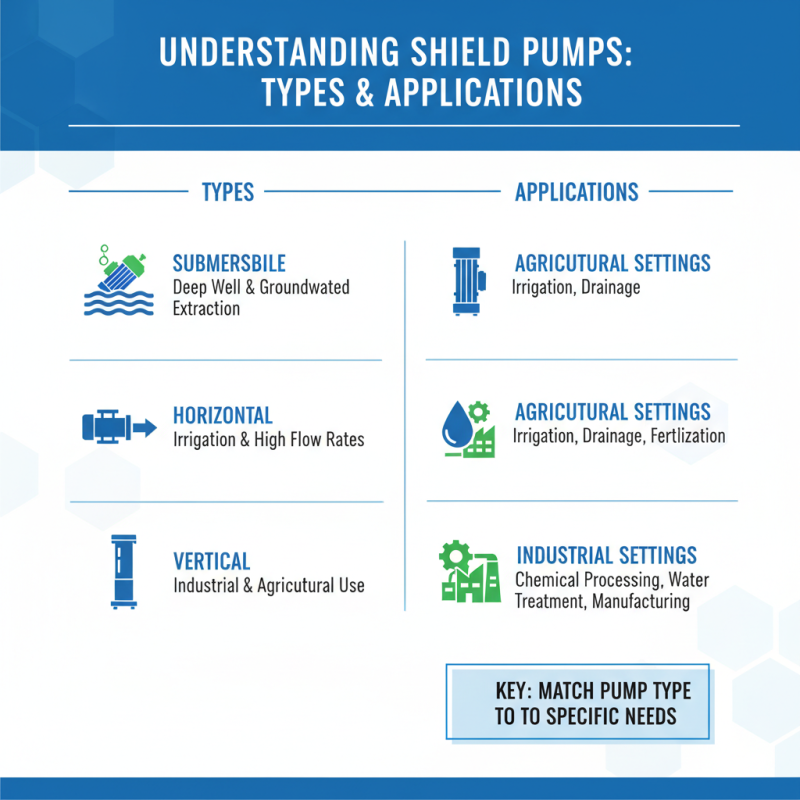
When selecting a shield pump, understanding its types and applications is key. Shield pumps come in several varieties, including submersible, horizontal, and vertical designs. Each type serves specific needs in industrial and agricultural settings. For example, submersible pumps are ideal for deep well applications and groundwater extraction. In contrast, horizontal pumps are widely used in irrigation, where high flow rates are essential.
According to a 2022 industry report, the demand for shield pumps has grown significantly, driven by agricultural advancements and water management needs. Notably, vertical shield pumps can handle large volumes while saving space, making them a great choice for limited installations. However, users must consider the pump's efficiency, as poorly matched pumps can cause operational issues and increase energy costs.
Not all applications require high-capacity pumps. For some projects, smaller, more efficient pumps can provide adequate service without excess energy consumption. The right choice hinges on a thorough understanding of your specific requirements. Evaluating factors like head height, flow rates, and fluid characteristics can lead to better investments. Emphasizing efficiency and suitability can mitigate future challenges, ensuring your system operates as intended.
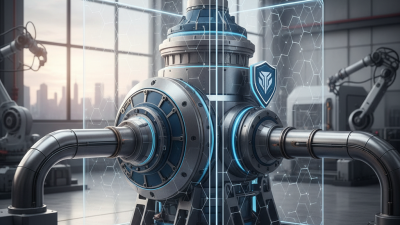
Choosing the right shield pump requires careful consideration of several key factors. Start with the pump's flow rate. It should match the demands of your application. A pump with too high or too low a flow rate can cause inefficiencies.
Assess the required pressure too. If the pressure isn't sufficient, the system may fail.
Material compatibility is another crucial aspect. Understand the substances that will come into contact with the pump. Some materials can corrode or degrade faster than others. Pay attention to the operating environment as well. Temperature fluctuations and humidity can impact pump longevity.
Maintenance requirements play a significant role. A pump that demands frequent, complicated maintenance may become a burden. You might find yourself spending more time troubleshooting instead of operating efficiently.
Finally, don’t overlook the manufacturer’s support and documentation. Quality guidance can enhance your experience significantly, ensuring you avoid potential pitfalls.
When selecting a shield pump, understanding specifications like flow rate, pressure, and size is crucial. The flow rate, typically measured in gallons per minute (GPM), significantly affects your system. For instance, an ideal flow rate for residential use can range from 3 to 5 GPM, while industrial settings may require upwards of 15 GPM. Inadequate flow can hinder efficiency. Industry reports indicate that 40% of pump issues stem from mismatched flow rates.
Pressure is another key specification. Measured in pounds per square inch (PSI), the right pressure ensures optimal operation. Systems needing high pressure might require 60 PSI or more. Yet, excessive pressure can lead to equipment failure. A pump that operates within the required pressure range ensures longevity and performance reliability. It's common for users to underestimate the impact of pressure on their system. Data shows that over 30% of applications face operational issues due to improper pressure settings.
Size plays a vital role in installation and maintenance. Selecting a pump that fits your space is essential for ease and functionality. Consider both physical dimensions and required power sources. Many users overlook the implications of size, leading to installation challenges. It's important to consult detailed specifications and align them with your project needs. A mismatch here can be costly and time-consuming. Understanding these details enhances the likelihood of selecting the right pump.
When selecting a shield pump, material compatibility is crucial. Different materials interact with fluids in various ways. For instance, pumps made of stainless steel are often superior when handling corrosive substances. According to a 2021 industry report, nearly 40% of pump failures are due to material incompatibility. It's vital to consider the chemical composition of both the pump and fluid.
Environmental considerations play a significant role in pump selection. Factors such as temperature, pressure, and exposure to elements can drastically affect performance. For example, plastics can degrade quickly in UV light, limiting their use outdoors. A study by the International Pump Association reported that 30% of users overlooked environmental factors, leading to premature equipment failure. Always assess the environment and application requirements to ensure optimal performance.
Ultimately, understanding the specific needs of your applications is essential. Not every pump will perform effectively in every situation. Reflect on past experiences to avoid common pitfalls. Choosing the right materials and considering environmental factors can mitigate risks and enhance efficiency.
| Pump Type | Material Compatibility | Environment | Applications | Efficiency Rating |
|---|---|---|---|---|
| Centrifugal Pump | Good for water, chemicals | Moderate cleanliness | Agriculture, irrigation | 80% |
| Diaphragm Pump | Compatible with corrosive fluids | High cleanliness | Chemical processing | 75% |
| Gear Pump | Oil and viscous fluids | Low contamination | Automotive, lubrication | 85% |
| Peristaltic Pump | Non-toxic fluids, sterile applications | High hygiene requirements | Pharmaceutical, food processing | 70% |
| Submersible Pump | Clean water, sewage | Variable cleanliness | Drainage, sewage treatment | 78% |
When selecting a shield pump, maintenance and support are crucial for long-term performance. Regular maintenance extends the lifespan of equipment. According to a 2022 industry report, properly maintained pumps can operate efficiently for an average of 15 to 20 years. Neglecting this need can lead to costly downtimes and repairs.
Monitoring key indicators like vibration and temperature is essential. These metrics can signal potential problems early. Many users overlook scheduled inspections. This can result in unanticipated failures, disrupting operations. In fact, 60% of pump failures are attributed to inadequate maintenance practices. It’s vital to create a realistic maintenance schedule tailored to specific operational demands.
Support services also play a critical role. Access to expert advice enhances troubleshooting and repairs. Having a support plan ensures that assistance is available when needed. Some organizations underestimate the value of prompt service. Delays in receiving help can exacerbate problems, leading to extended downtimes. Consideration of both maintenance routines and support systems is important for achieving optimal performance in shield pumps.