Top Energy Efficient Pump Tips for Saving Money and Energy?
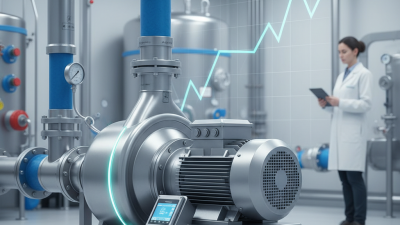
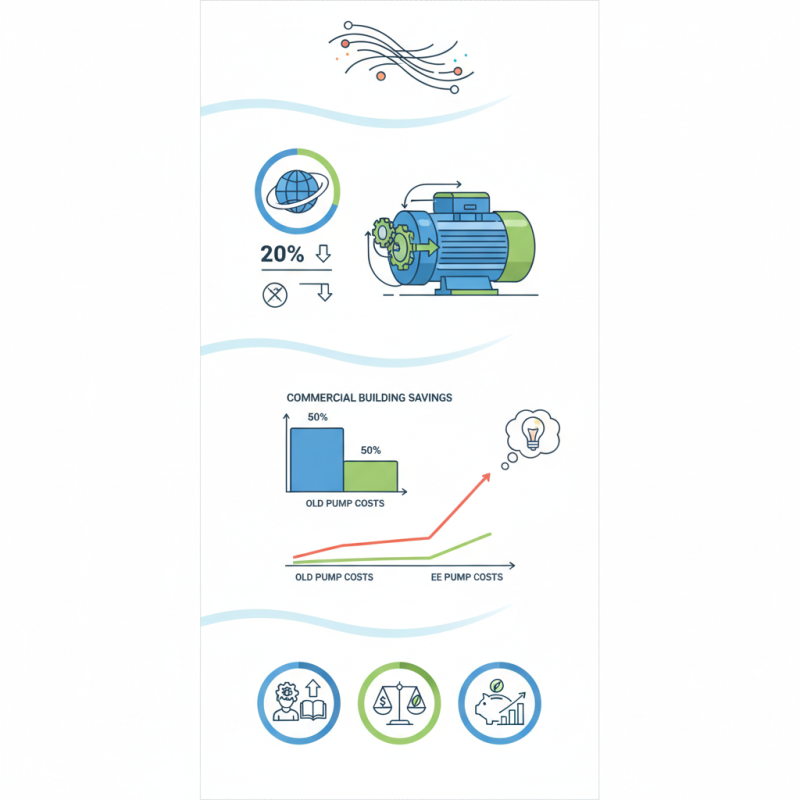
In today’s fast-paced world, energy consumption remains a significant concern. According to the U.S. Department of Energy, pumps account for nearly 20% of global electrical energy consumption. Choosing an Energy Efficient Pump can dramatically reduce both energy use and operational costs. In commercial buildings, installing energy-efficient pumps can yield energy savings of up to 50%.
However, many still overlook the importance of energy efficiency in pumps. This can lead to wasted resources and higher bills. With rising electricity costs, inefficient pumps can break the bank. As industries adapt to sustainability trends, embracing energy-efficient options becomes essential. Yet, the transition can be daunting for some operational managers. Learning to evaluate pump efficiency requires knowledge and commitment.
To foster a culture of energy efficiency, organizations must educate their workforce about the advantages of Energy Efficient Pumps. A simple change in approach can lead to substantial savings. In considering pump selection, it’s critical to analyze both initial investment and long-term savings. The real challenge lies in balancing cost and performance, ensuring companies make informed choices that benefit both the environment and their bottom line.
Understanding Energy Efficient Pumps and Their Importance
Energy efficient pumps play a crucial role in today’s industries. They are designed to reduce energy consumption while maintaining performance. According to a report by the U.S. Department of Energy, inefficient pumps can waste up to 20% of energy usage in industrial settings alone. This translates to significant cost savings when proper equipment is utilized.
Implementing energy-efficient pumps is essential for sustainability. Buildings equipped with these pumps consume 30% less energy on average. However, many facilities still rely on older models. This discrepancy drives both energy costs and environmental impact higher. Regular monitoring and upgrades are often neglected due to perceived complexities.
Efficient pumps also reduce operational costs. Hughes Associates found that retrofitting old systems with new technology saved companies about 12% on utility bills annually. Despite these figures, many organizations hesitate to invest initially. Often, they underestimate the long-term benefits and savings from lower energy consumption. Each facility has a unique challenge ahead in balancing initial investment with sustainability goals.
Key Types of Energy Efficient Pumps for Various Applications
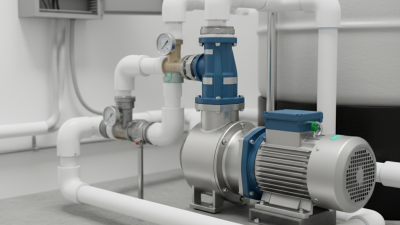
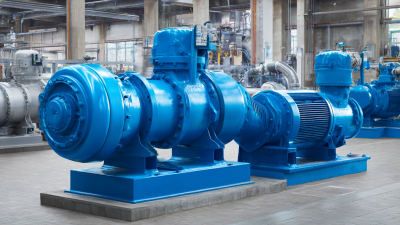
When considering energy-efficient pumps, it's essential to understand the various types available for different applications. Centrifugal pumps are popular in many industries. They offer a straightforward design and are effective in moving fluids. However, they can consume a lot of energy if not matched correctly to the system requirements. It’s critical to assess flow rates and pressure needs to optimize their usage.
Submersible pumps are another option worth noting. These pumps operate underwater, which makes them ideal for drainage and sewage applications. Their design minimizes energy loss, but attention must be paid to installation depths. A poorly positioned submersible pump can reduce efficiency, leading to increased costs. Additionally, the variable frequency drive (VFD) pumps offer flexibility. They adjust motor speed based on demand, which can lead to significant energy savings, yet they require careful monitoring.
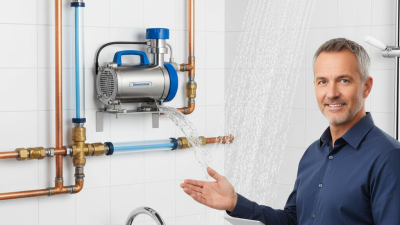
Booster pumps enhance water pressure for household or commercial uses. Using them can save energy, but oversizing can waste resources. Regular maintenance of all pump types is crucial. Neglected pumps lead to inefficiencies and unexpected expenses. Choosing the right pump while also focusing on maintenance can significantly impact long-term energy savings.
Tips for Selecting the Right Energy Efficient Pump for Your Needs
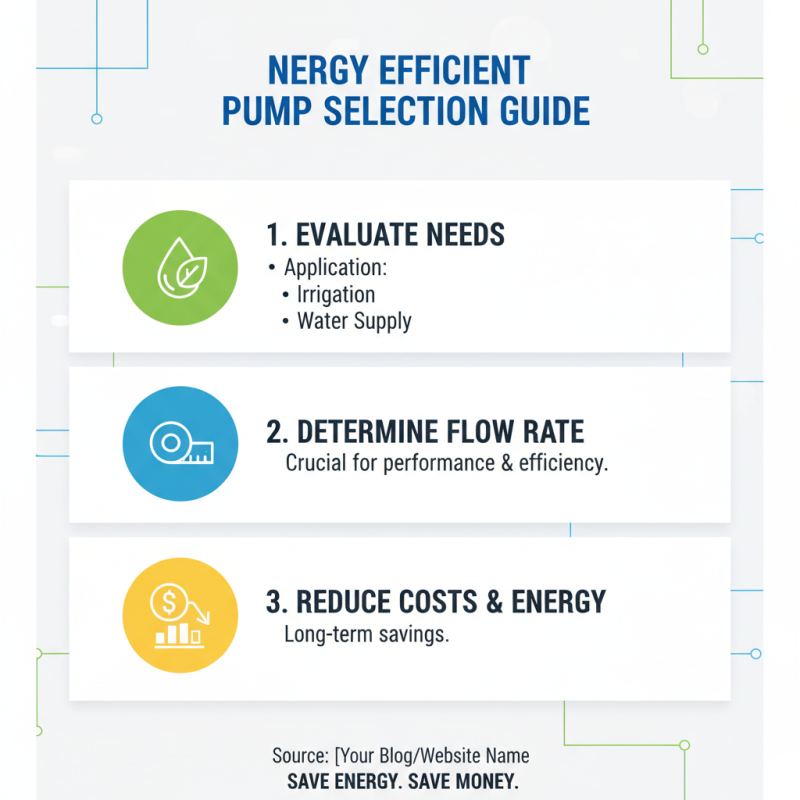
Choosing the right energy-efficient pump can significantly reduce costs and energy consumption. Start by evaluating your specific needs. Consider the application: irrigation, HVAC, or water supply. Each type has unique requirements. Measure the flow rate necessary for optimal performance. This detail greatly influences pump selection.
Pump size is crucial. An oversized pump can lead to energy wastage. It also increases wear and tear. Conversely, a pump that is too small may struggle to meet demand. Assess system pressure needs as well. This often dictates the type of pump you require.
Don’t overlook energy ratings. Look for pumps with high efficiency ratings. They might cost more upfront, but savings add up over time. Also, consider installation and maintenance costs. Some pumps require specialized knowledge for upkeep. It's worth weighing these hidden expenses. Finding balance is key. Reflecting on these aspects can lead to smarter choices.
Maintenance Practices to Enhance Pump Efficiency and Longevity
Maintaining pump efficiency is key to reducing costs. Regular maintenance practices can significantly enhance pump longevity. According to the U.S. Department of Energy, poorly maintained pumps can waste up to 20% of the energy they use. This loss is avoidable. Simple steps can help you keep gears turning efficiently.
Checking seals and bearings is crucial. Regular lubrication can reduce friction. Over time, lubricants degrade. They should be refreshed periodically to keep machinery running smoothly. Additionally, monitoring vibration can spot issues early. Unusual vibrations often indicate impending failure, prompting timely repairs.
Routine inspections and cleaning prevent buildup. Dirt and corrosion can dramatically reduce efficiency. Reports show that even a small amount of debris can lower performance by 10%. Implementing a maintenance schedule is beneficial. It's a straightforward approach to enhance reliable operation. Though these tasks seem minor, neglecting them can be costly. Regular attention is necessary for long-term savings and performance.
Calculating Cost Savings from Installing Energy Efficient Pumps
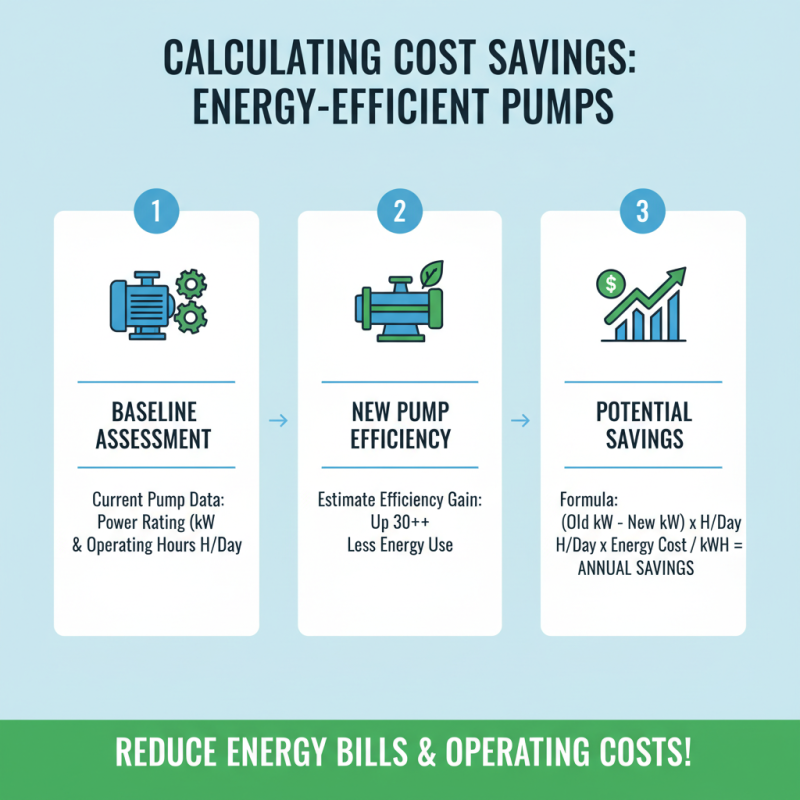
Calculating cost savings from installing energy-efficient pumps can be straightforward. Begin by assessing the energy consumption of your current pumps. Identify their power ratings and average operating hours. This data serves as a baseline for your analysis. Next, estimate the efficiency gains from new pumps. Energy-efficient models often consume significantly less power. In some cases, they can reduce energy use by 30% or more.
Consider operational costs over time. Look at your energy rates and project savings over a year. For instance, if a new pump saves you $100 monthly, that’s $1,200 annually. Include maintenance costs too. Energy-efficient pumps may have higher upfront costs. However, their longevity and lower power demands make them financially appealing. Reflect on the potential long-term benefits against initial investments.
It's also wise to monitor and review your energy bills post-installation. Are the savings as expected? Sometimes, the anticipated cost reductions do not materialize. This might be due to fluctuating electricity rates or system inefficiencies that remain unaddressed. Adjust your strategy as necessary. Regularly evaluating your pump performance can lead to further insights and improvements.