2026 How to Choose the Best Deep Well Submersible Pump?
When considering a Deep Well Submersible Pump, making the right choice is crucial. Renowned industry expert Dr. Emily Wilson states, "Selecting the proper pump can significantly impact efficiency and longevity." With various models and specifications available, it can be overwhelming for buyers.
Understanding your specific needs is essential. Factors such as depth, water quality, and flow rates determine your optimal selection. Not every pump is ideal for every situation. A common mistake is assuming that all submersible pumps perform equally. This misconception can lead to inefficiencies and additional costs over time.
Investing time in research pays off. The best pump for one application might not suit another. Learning from professionals, who have years of hands-on experience, helps navigate this complex market. An informed choice in a Deep Well Submersible Pump enhances performance and durability, ensuring reliable water supply.
Factors to Consider When Selecting a Deep Well Submersible Pump
Selecting the right deep well submersible pump can feel overwhelming. Several key factors should guide your decision-making process. First, assess the depth of your well. This will determine the motor power you need. A pump designed for shallow depths may not be effective in a deep well. Evaluate your water requirements too. Knowing your household’s usage helps identify the necessary flow rate.
Next, consider the material of the pump. Stainless steel is durable and resistant to corrosion, ideal for various conditions. Some pumps are made of thermoplastic, which can be more affordable but may not last as long. Check the pump's design and its efficiency ratings. Efficient pumps consume less energy, which translates to lower electric bills.
Tips: Always verify the pump's warranty. A good warranty indicates manufacturer confidence. Don’t ignore user reviews; they offer real-life insights. If you find a pump that seems perfect but has mixed reviews, weigh the pros and cons carefully. It’s beneficial to consult with an expert before making a final decision to avoid costly mistakes.
2026 How to Choose the Best Deep Well Submersible Pump? - Factors to Consider When Selecting a Deep Well Submersible Pump
| Factor |
Description |
Importance Level |
| Well Depth |
The total depth of the well where the pump will be installed. |
High |
| Pump Size |
The physical dimensions and required capacity of the pump. |
Medium |
| Flow Rate |
The volume of water the pump can deliver per minute. |
High |
| Power Source |
The type of energy required to operate the pump (electric, solar, etc.). |
Medium |
| Material |
The material composition of the pump affects durability and corrosion resistance. |
High |
| Installation Complexity |
Ease of installation can impact labor costs and time. |
Low |
| Maintenance Requirements |
Frequency and complexity of maintenance needed over time. |
Medium |
| Budget |
Total cost of the pump including installation and maintenance. |
High |
Understanding the Different Types of Deep Well Submersible Pumps
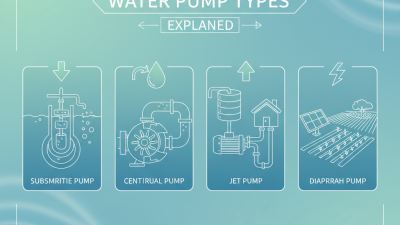
When selecting a deep well submersible pump, understanding the different types available is essential. There are several categories, each designed for specific needs.
For instance, vertical turbine pumps are excellent for deep wells, delivering high flow rates. In contrast, line-shaft pumps are suitable for shallower depths and are easier to maintain.
Another type to consider is the multistage pump. These pumps are efficient in lifting water from significant depths. They use multiple impellers to increase pressure, making them a reliable choice for residential and agricultural applications. Moreover, submersible pumps are generally quieter than other types, as they operate underwater, reducing noise pollution.
However, it's crucial to assess your specific requirements before making a choice. Not every type suits every situation. Installation challenges may arise, depending on the well's depth and water conditions. Reflect on the requirements of your project. Proper research ensures that you select a pump that meets your needs effectively.
Key Specifications for Deep Well Submersible Pumps to Evaluate
When choosing a deep well submersible pump, several key specifications are vital to consider. The pump's horsepower rating is a crucial factor. A higher horsepower allows the pump to handle greater depths and water volume. Pay attention to the pump’s depth range, too. Some pumps suit shallow wells, while others can operate effectively in deep drilling scenarios.
The pump's diameter is another important specification. It must fit your well casing. If the pump is too large, installation could be problematic. Also, the material quality matters. A pump made from corrosion-resistant materials ensures durability in various conditions.
Tips: Always verify the pump's flow rate. It measures how much water the pump can deliver. This specification affects overall efficiency. Check energy efficiency ratings as well. A more efficient pump can lead to cost savings over time.
Don’t forget about warranty and support. A reliable warranty reflects the manufacturer's confidence in their product. However, be cautious; long warranties don’t always guarantee performance. Consider user reviews and expert guidance for informed decision-making. Take time to reflect on your own water needs. Doing so helps ensure you choose the right pump for your situation.
Important Features to Look for in a Submersible Pump
When selecting a deep well submersible pump, certain features can significantly enhance your investment. Assess the pump's material composition first. Stainless steel parts resist corrosion, especially in harsh water conditions. A report from the Water Well Association indicates that corrosion-related failures account for nearly 30% of pump issues. Therefore, durability is key.
Power efficiency is another crucial aspect. Look for pumps with energy-efficient motors. These motors reduce long-term electricity costs and environmental impact. According to the U.S. Department of Energy, energy-efficient pumps can save homeowners up to 50% on operating costs.
Consider the pump's flow rate and capacity. It's essential to match these metrics to your usage needs. Overestimating capacity can waste resources, while underestimating can lead to insufficient water supply. Note that many users experience performance issues due to mismatched specifications, leading to frustration.
Tips: Always review customer feedback on pump performance. Real user experiences can reveal hidden strengths or weaknesses of a model. Measure your well depth accurately to avoid purchasing an unsuitable pump. This direct approach avoids unnecessary complications later.
2026 Best Deep Well Submersible Pump Features Comparison
Maintenance Tips for Extending the Life of Your Submersible Pump
Maintaining a deep well submersible pump is essential for its longevity. Regular maintenance can prevent costly repairs.
One critical factor is keeping the pump clean. Dirt and debris can clog the intake screen. If neglected, this can lead to reduced efficiency or even pump failure.
Check the screen monthly and clean it as needed.
Another important aspect is monitoring the power supply. Fluctuations can harm the pump’s motor. Invest in a quality surge protector.
It provides safety against electrical disturbances. Additionally, observing the pump’s performance is crucial. Unusual noises or vibrations might signal a problem.
Address these issues immediately to avoid bigger repairs.
Proper lubrication is often overlooked. Ensure that all moving parts are adequately lubricated.
This reduces friction and extends the pump's life. Remember, a little attention goes a long way.
Reflecting on your maintenance routine can uncover overlooked areas.
Continuous improvement in these practices can lead to a more reliable water supply.