How to Use Remote Monitoring Pump for Efficient Water Management?
Efficient water management has become increasingly important in various sectors. Implementing a Remote Monitoring Pump can significantly contribute to this goal. These devices enable real-time monitoring and control over water usage. They help in reducing waste and ensuring that resources are used optimally.
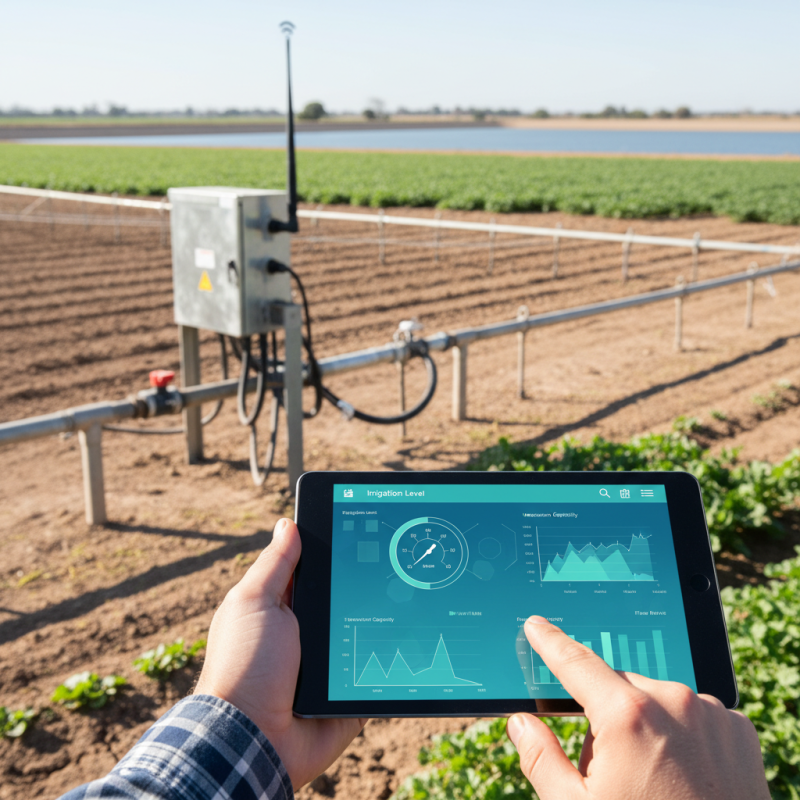
For instance, farmers can track irrigation levels, while industries can manage water consumption more effectively. The accuracy provided by these pumps allows users to make informed decisions. However, it's essential to understand that technology alone won't solve all challenges.
Users must be prepared to adapt operational practices. Regular training and updates are crucial for maximizing the benefits of Remote Monitoring Pumps. While these systems offer convenience and efficiency, they also require a commitment to continuous improvement in water management strategies.
Understanding Remote Monitoring Pumps and Their Benefits
Remote monitoring pumps are changing how we manage water resources. These devices allow users to track water levels and flow rates remotely. They provide real-time data, which is essential for effective water management. With this information, users can make informed decisions to optimize water usage.
The benefits of using remote monitoring pumps are significant. They minimize unnecessary water waste, which is crucial in drought-prone areas. Automated alerts can notify users of leaks or malfunctions. This reduces the risk of flooding or costly repairs. However, reliance on technology can be a double-edged sword. Not all systems may be user-friendly. Training and a willingness to adapt are necessary for success.
Implementing remote monitoring requires careful planning. Users need to account for factors like connectivity and sensor placement. These details can significantly impact efficiency. Although the technology is promising, it is not a cure-all. Regular maintenance and occasional manual checks may still be needed to ensure optimal performance. Balancing automation with human oversight is key.
How to Use Remote Monitoring Pump for Efficient Water Management?
| Dimension |
Description |
Benefit |
| Flow Rate |
Measurement of water flow through the pump. |
Ensures optimal water delivery for different applications. |
| Pressure Monitoring |
Real-time measurement of water pressure. |
Prevents pump failure and inefficiency. |
| Water Quality Sensors |
Tests for chemicals, pH level, and turbidity. |
Ensures health and safety of the water supply. |
| Remote Alerts |
Notifications sent to operators for anomalies. |
Allows for timely interventions and maintenance. |
| Energy Consumption |
Monitoring of energy use of the pump. |
Identifies opportunities for energy savings. |
Key Components of Remote Monitoring Pump Systems
Remote monitoring pump systems have transformed water management practices. These systems rely on specific key components to operate efficiently. At the heart of the system is the pump itself, which must be robust and reliable. Sensors play a critical role; they monitor water levels and flow rates, providing real-time data. These sensors can sometimes malfunction, leading to inaccurate readings. Regular maintenance is essential to ensure optimal performance.
Another important component is the communication system. This can be a cellular or satellite network that transmits data to the central control unit. Sometimes, connectivity issues arise, which can disrupt monitoring. Backup systems should be considered to avoid data loss. The central control unit processes the data collected, generating actionable insights. This part of the system requires regular updates to improve functionality.
Power supply is also vital. Many remote monitoring systems rely on solar or battery power. However, power outages can occur, affecting system performance. A well-designed system should include alternative power sources. User interface and accessibility are equally significant. The system should be easy to navigate, but users often overlook training. Finding a balance between complexity and usability can present challenges.
Water Usage by Type - Remote Monitoring Pump Systems
Steps for Installing a Remote Monitoring Pump
Installing a remote monitoring pump can greatly enhance water management. Begin by selecting an appropriate location for the pump. The area should have easy access to the water source and power supply. This ensures that you can maintain and monitor the pump without difficulty. Avoid remote or hard-to-reach places.
Once you’ve chosen a location, secure the pump firmly. Check for any signs of leaks or damage before connecting it. It’s crucial to test all electronic components to ensure proper functionality. Monitoring software should be installed on your device for easy access. However, it’s common to encounter technical challenges during setup. Troubleshoot any issues, and don’t hesitate to seek assistance.
After installation, regularly review the data provided by the pump. Gauge its performance and make adjustments as needed. This reflection helps in optimizing water management strategies. Remember, no system is perfect. Adapting to changes in demand or environment is vital. Keep an open mind and be ready to improve for better results.
Data Analysis for Efficient Water Management
Efficient water management relies heavily on accurate data analysis. Remote monitoring pumps offer real-time insights into water usage. According to a report from the World Resources Institute, mismanagement of water can lead to a 50% decrease in crop yields. This emphasizes the importance of data-driven decision-making.
Using remote monitoring systems allows farmers to track water consumption. Data analytics help identify usage patterns. For instance, flow rates can indicate whether a pump is operating efficiently. Small adjustments, based on data analysis, can significantly improve water management.
Tip: Regularly download and review water usage reports. Look for trends and anomalies. This will help you spot potential leaks or inefficiencies.
The challenge lies in interpreting the data correctly. Misreading data can lead to wasted resources. Keeping the analysis straightforward is crucial. Simplifying data can improve understanding among team members. Collaboration can boost effectiveness in utilizing water resources.
Tip: Implement a weekly check-in with all stakeholders. Discuss findings from the data. This can enhance communication and overall efficiency in water management efforts.
Best Practices for Maintaining Remote Monitoring Pump Systems
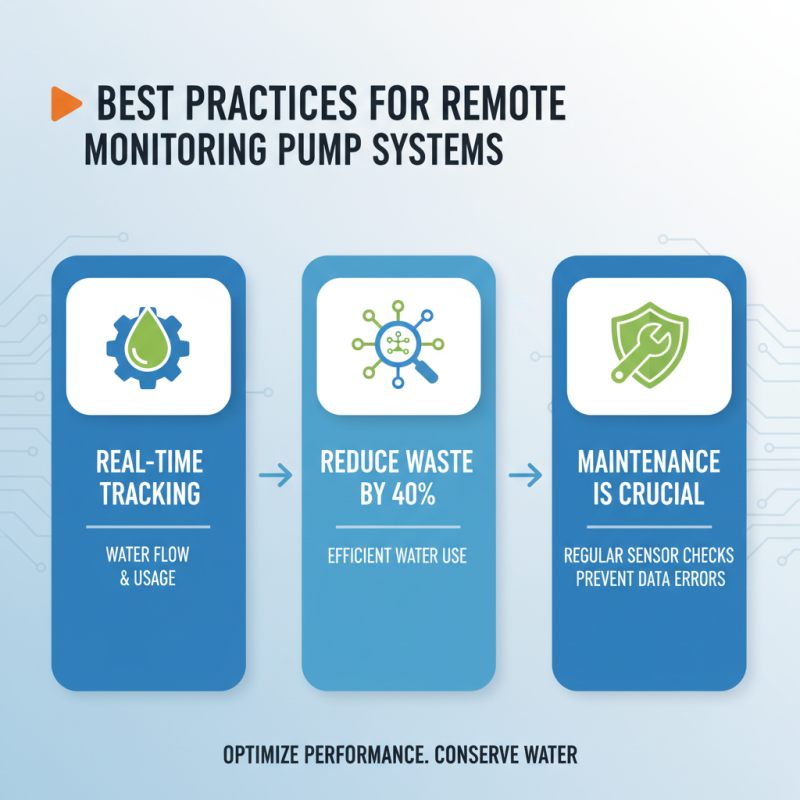
Remote monitoring pump systems offer significant advantages in water management. They help in tracking water flow and usage in real-time. According to a report by the International Water Association, efficient water management can reduce wastage by up to 40%. However, maintaining these systems is crucial for optimal performance. Regular inspection of sensors and connections is necessary to prevent data inaccuracies. Neglecting these checks may lead to mismanagement and unforeseen issues.
Proper calibration of monitoring equipment is vital. Calibration ensures that data collected is precise, allowing for informed decision-making. Frequent calibration is recommended, especially in varying environmental conditions. Data from the American Water Works Association indicates that 30% of water systems face operational challenges due to improper setup. Training staff on troubleshooting methods can enhance system reliability. Yet, many organizations overlook this step, leading to a lack of skill in managing the technology.
Data security is another aspect that demands attention. Remote systems can be vulnerable to cyber threats. In fact, a study by the Cybersecurity & Infrastructure Security Agency found that 25% of utility companies reported cyber incidents. Regular software updates and access control can mitigate risks. Ultimately, while remote monitoring pumps are beneficial, they require diligent maintenance and awareness to achieve efficiency and reliability.