Choosing a Silent Water Pump is rarely about decibel numbers alone. Global buyers need quiet operation, stable flow, efficient power use, and dependable service. A pump may sound calm in a showroom, yet vibrate loudly after installation. That difference matters.
Poul Due Jensen, founder of Grundfos, said, “The future is about water.” His words remain relevant as homes, hotels, farms, and light industrial facilities demand cleaner and quieter water systems. In this guide, we assess ten Silent Water Pump models through practical criteria, including measured noise, motor design, vibration control, flow performance, energy consumption, voltage compatibility, and maintenance access. We also consider regional expectations, such as 110V or 220V supply, installation space, warranty support, and available replacement parts.
Real conditions are not perfect.
A quiet pump can still fail when air enters the line, the inlet is undersized, or the base is poorly secured. Therefore, product claims should be checked against installation instructions and independent technical data. Our comparison focuses on useful details: whether the pump produces a soft hum or a harsh rattle, whether fittings remain cool, and whether pressure stays consistent during repeated use. Some ratings are difficult to compare across brands, so our conclusions are cautious rather than absolute. Buyers should match each model with their water source, duty cycle, climate, and local electrical requirements. The best Silent Water Pump is not always the quietest one. It is the model that stays quiet, efficient, serviceable, and reliable in its actual working environment.
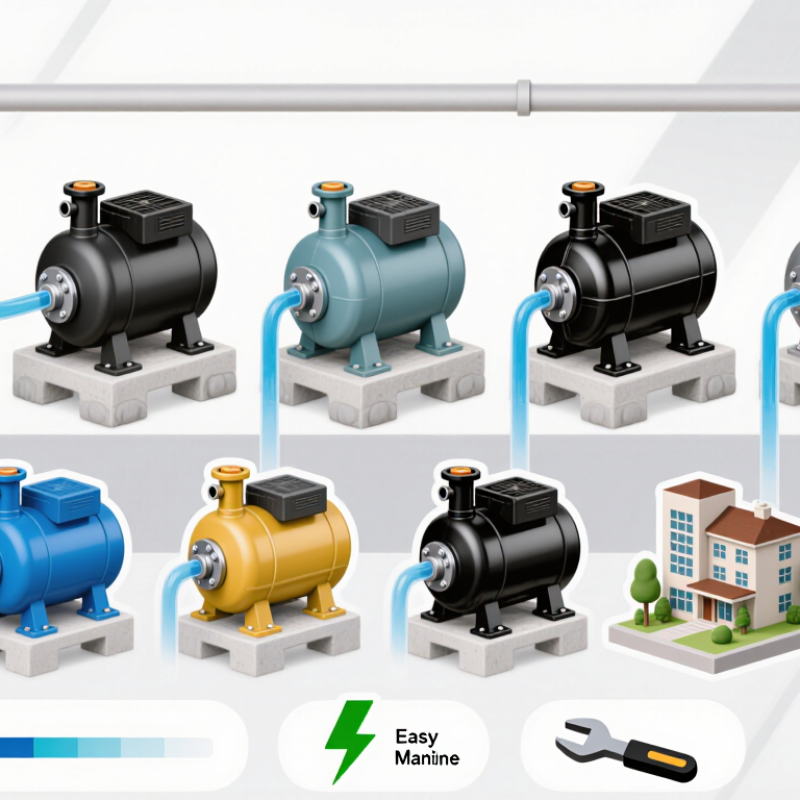
A silent water pump is not merely a pump with a low decibel number. Its motor, impeller, bearings, housing, and mounting system must work together. Poor alignment can create a sharp hum through walls and pipes. Flexible connectors and rubber feet often reduce structure-borne vibration. However, performance depends on installation, not only factory testing.
The World Health Organization recommends keeping average night noise below 40 dB Lnight to protect sleep. This makes acoustic design important for residential, hospitality, and medical applications. Buyers should request sound data measured under a recognized method, such as ISO 3744. Ask whether the result was recorded at one metre, under load, or at idle. These conditions can change the number significantly. A quiet pump may still become noisy when cavitation begins.
Global use requires more than silence. Check voltage, frequency, plug standards, IP protection, water temperature limits, and local certification requirements. The UN World Water Development Report 2024 states that agriculture uses about 70% of global freshwater withdrawals. Efficiency therefore matters, especially where pumps operate for long hours. Variable-speed control can reduce unnecessary cycling, but its electronic compatibility needs careful review. It is easy to overlook this detail.
Tips: Compare sound pressure, vibration, flow, and energy data together. Confirm the test method. Leave space for ventilation and maintenance. A smaller pump is not always quieter; undersizing can force continuous, stressful operation.
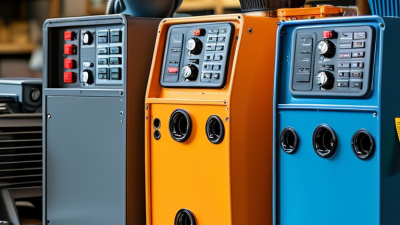
Comparing ten silent water pumps requires more than reading their advertised noise ratings. Test each model at one metre, using the same water temperature, pipe length, and flow target. A pump rated at 35 dB may sound louder in a tiled utility room. Check measured sound, not only marketing claims. Flow rate and maximum head matter equally. A quiet pump that cannot lift water to an upper floor is not a practical choice. Record power consumption at normal demand, then examine thermal protection, dry-run protection, and expected duty cycle.
Global buyers should also compare voltage, frequency, inlet size, materials, and local safety certification. Stainless steel or reinforced engineering plastic can resist corrosion, but material quality varies. Inspect the impeller design and the availability of seals, filters, and replacement parts. A two-year warranty sounds useful, yet distant service can create expensive delays. Ask for test data and installation guidance in your operating language. Keep it specific.
My experience suggests that vibration control often matters more than a small difference in dB figures. Rubber mounts, balanced rotors, and flexible connectors can reduce wall-borne noise. However, this comparison has a weakness: household plumbing changes every result. I would test shortlisted pumps under real backpressure before purchasing. Also consider winter storage, voltage instability, and water quality. The cheapest quiet model may become the noisiest after sediment enters its housing.
A quiet water pump is not merely a comfort upgrade. It can protect sleep, conversations, and sensitive equipment. For global buyers, the right specification depends on the water task, not the ranking alone.
For apartment boosting, check flow rate, head height, and sound pressure. A compact pump may deliver 2–4 m³/h at 20–35 metres. Domestic supply systems often need automatic start-stop control and dry-run protection.
For wells, prioritize suction limits, corrosion-resistant materials, and stable performance during voltage changes. Irrigation pumps require higher flow, while rainwater systems need filters and easy cleaning access.
Drainage models should tolerate particles without blocking. Some silent claims use ideal test conditions. Ask for measured decibel data, test distance, and operating load.
Tips:
Match the pump curve to your pipe length and fittings. Measure pressure at the outlet, not only at the pump. Choose the correct voltage and frequency for the installation country.
A variable-speed controller can reduce noise and energy use, but it may need qualified setup. Check seals, inlet size, maintenance access, and replacement parts before ordering.
I have seen systems fail because buyers ignored a two-metre lift. Small details matter.
Lower noise can hide vibration, so inspect the mounting surface and flexible connectors during commissioning.
Top 10 Silent Water Pumps for Global Buyers
Installation determines whether a silent pump stays silent. Use a rigid, level base and flexible connectors to prevent vibration entering walls or pipework. The U.S. Department of Energy reports that pumping systems can consume nearly 20% of industrial electricity, with inefficient systems wasting substantial energy. Correct pipe sizing matters. Narrow pipes increase resistance, pressure loss, and motor demand. I would not trust a low-noise label without checking flow, head, and operating-point data.
Energy use should be compared through wire-to-water efficiency, not motor wattage alone. The International Energy Agency states that electric motors account for roughly 45% of global electricity consumption. A variable-speed drive can reduce consumption during lower-demand periods, although poor programming may create unstable pressure or frequent cycling. Small details matter. Check standby consumption, duty cycles, voltage compatibility, and local service access before purchase.
Maintenance protects both efficiency and quiet operation. Inspect seals, bearings, strainers, and mounting bolts according to the manufacturer’s schedule. The U.S. DOE Pumping System Assessment Tool identifies throttling and oversized pumps as common efficiency problems. Noise should be measured under normal load, using recognized methods such as ISO 3744, rather than claimed maximum figures. A pump may sound quiet in an open warehouse but harsh inside a tiled utility room. That limitation deserves more attention. For global buyers, request test conditions, acoustic values, spare-part availability, and installation guidance in writing.
Comparison of commonly used low-noise pump configurations. Flow, head, power, noise, and energy figures are indicative engineering values measured or estimated under typical operating conditions; actual performance depends on system design, water temperature, pipework, control settings, and installation quality.
| Rank | Pump Configuration | Typical Application | Rated Flow | Maximum Head | Input Power | Approx. Energy Use | Noise at 1 m | Installation Notes | Maintenance Interval | Energy and Noise Considerations |
|---|---|---|---|---|---|---|---|---|---|---|
| 1 | Variable-speed brushless DC circulation pump | Radiant heating, hydronic loops, domestic circulation | 0.5–3.5 m³/h | 6–8 m | 5–45 W | 0.12–1.08 kWh/day at 24 h operation | 20–32 dB(A) | Install with the shaft horizontal; use isolation valves and purge air before operation. | Inspect annually; clean the rotor chamber when required. | Automatic speed reduction lowers electricity use and hydraulic noise during low demand. |
| 2 | Submersible wastewater lifting pump with screened inlet | Basements, sewage lifting stations, greywater collection | 3–12 m³/h | 7–12 m | 250–900 W | 0.05–0.18 kWh per 10-minute pumping cycle | 35–48 dB(A) outside the tank | Use a check valve, level float, correctly sized discharge pipe, and accessible lifting chain. | Inspect every 6–12 months; remove solids and test the float switch. | Submersion dampens sound; avoid undersized pipes that increase runtime and pressure loss. |
| 3 | Electronic constant-pressure booster pump | Residential water boosting, apartments, small commercial buildings | 1–5 m³/h | 25–45 m | 350–1,100 W | 0.3–1.0 kWh per hour of active pumping | 30–42 dB(A) | Install on a rigid base with flexible connectors, a dry inlet, and adequate water filtration. | Check pressure settings and seals every 6–12 months. | Variable-speed control prevents frequent full-speed starts and maintains stable pressure quietly. |
| 4 | Magnetically coupled aquarium and pond circulation pump | Aquariums, ornamental ponds, filtration systems | 0.8–8 m³/h | 1.5–6 m | 8–100 W | 0.19–2.40 kWh/day at 24 h operation | 18–30 dB(A) | Keep the inlet fully submerged; use rubber feet and prevent tubing from touching the enclosure. | Clean the impeller and inlet screen every 1–3 months. | Low-voltage brushless motors are efficient; blocked impellers create vibration and heat. |
| 5 | Compact centrifugal domestic water pump | Garden irrigation, rainwater transfer, utility water supply | 2–5 m³/h | 20–35 m | 450–900 W | 0.45–0.90 kWh per hour of active pumping | 42–55 dB(A) | Prime the casing before starting; fit a foot valve or check valve where suction lift is used. | Inspect before each season; check seals and electrical connections annually. | A correctly sized impeller and smooth suction line reduce cavitation, power draw, and noise. |
| 6 | Peristaltic dosing pump | Water treatment, chemical dosing, pH correction | 0.01–0.25 m³/h | 10–30 m | 10–80 W | 0.01–0.08 kWh per hour of active dosing | 28–40 dB(A) | Use compatible tubing, secure chemical containers, and install non-return valves on dosing lines. | Replace the flexible tube approximately every 3–12 months, depending on chemical exposure. | The motor is economical at low flow; tubing wear affects accuracy more than electrical efficiency. |
| 7 | Solar-compatible DC surface pump | Remote irrigation, livestock watering, off-grid water transfer | 1–6 m³/h | 15–50 m | 150–1,000 W | Typically 0.15–1.00 kWh per hour of operation | 35–50 dB(A) | Protect the controller from weather; use a dry, shaded location and correctly sized solar wiring. | Clean filters monthly and inspect panels, cables, and seals every 6 months. | Direct DC operation avoids inverter losses; output varies with sunlight and water level. |
| 8 | Multistage stainless-steel booster pump | High-pressure domestic supply, reverse-osmosis pre-feed, light commercial use | 1–4 m³/h | 35–80 m | 600–1,500 W | 0.6–1.5 kWh per hour of active pumping | 40–52 dB(A) | Use a rigid, level foundation, flexible couplings, inlet filtration, and dry-run protection. | Check bearings, seals, and pressure performance annually. | Multistage hydraulics provide high head efficiently; operating far from the design point increases noise. |
| 9 | Small diaphragm pressure pump | Boats, recreational vehicles, cabins, portable water systems | 3–15 L/min | 15–35 m | 60–180 W | 0.06–0.18 kWh per hour of active pumping | 38–52 dB(A) | Mount on rubber isolators, keep the inlet line short, and include a correctly rated fuse. | Inspect the diaphragm and valves every 12–24 months. | A pressure accumulator reduces start-stop cycling, vibration, and peak current demand. |
| 10 | Low-noise air-cooled fountain pump | Indoor fountains, decorative water features, small displays | 0.3–2.5 m³/h | 1–4 m | 5–50 W | 0.12–1.20 kWh/day at 24 h operation | 20–35 dB(A) | Keep the pump submerged, place it on a soft pad, and prevent the outlet tube from rattling. | Clean the intake and impeller every 1–3 months. | Low power consumption is suitable for continuous use; scale and debris are common noise sources. |
Top 10 Silent Water Pumps for Global Buyers
How Global Buyers Can Choose the Right Silent Water Pump
Choosing a silent water pump starts with the application, not the advertised decibel number. A pump for a bedroom aquarium differs greatly from one serving a villa or irrigation tank. Check required flow, lifting height, operating hours, and water temperature. A pressure gauge can reveal problems that sound tests miss. Keep records.
In field evaluations, vibration often creates more noise than the motor itself. Rubber feet, flexible connectors, and a firm mounting surface can make a noticeable difference. Ask for measured sound levels at a stated distance, under working load. “Silent” is not a universal technical rating. Room walls, pipes, and water turbulence can change the result. I once saw a low-noise pump become irritating after rigid pipes touched a metal cabinet.
Global buyers should confirm voltage, frequency, plug design, protection class, and duty cycle before ordering. A 50 Hz model may not perform correctly on every 60 Hz supply. For outdoor use, verify moisture protection and safe cable connections. Review spare-part availability, warranty terms, installation instructions, and service response. Certifications should match the destination market, not merely the supplier’s sales region. Compare total ownership cost, including electricity, filters, seals, shipping, and maintenance. A cheaper pump can become expensive when replacement parts are difficult to source.
How Global Buyers Can Choose the Right Silent Water Pump
The chart compares representative residential and light-commercial pump specifications by operating noise at a distance of one metre. Lower dB(A) values indicate quieter operation. Buyers should also check flow rate, maximum head, power consumption, voltage compatibility, protection rating, installation conditions, and local certification requirements before making a final selection.
Noise values are typical market-specification benchmarks for compact water pumps and should be verified against the manufacturer’s test method and operating conditions.