Choosing the right Clean Water Pump affects drinking water access, farm productivity, and daily operating costs. For global buyers, this decision requires more than comparing prices or motor power. A dependable pump must match water quality, flow requirements, voltage, installation conditions, and local maintenance resources.
In practical projects, small details often decide long-term performance. A pump moving clear water from a shallow well may need different materials than one serving a remote treatment facility. Buyers should examine corrosion resistance, seal quality, energy consumption, spare-part availability, and protection against dry running. Product data should include tested flow rates, head pressure, motor efficiency, and operating limits. Independent certifications can support confidence, but buyers must verify their relevance and authenticity.
Real experience also shows that the cheapest option is not always economical. A low-cost pump may consume more electricity or fail when replacement parts are difficult to obtain. That risk matters in schools, farms, hotels, and emergency water systems. Supplier communication matters too. Clear installation guidance and responsive technical support often prevent expensive mistakes.
No pump fits every market.
Water conditions vary widely. Even experienced buyers can overlook seasonal changes, sediment, or unstable power supplies. That is why responsible purchasing includes site testing, lifecycle cost analysis, and realistic maintenance planning. This article explores why a Clean Water Pump remains a practical choice for global buyers, while recognizing that reliable results depend on correct selection, honest specifications, and disciplined installation.
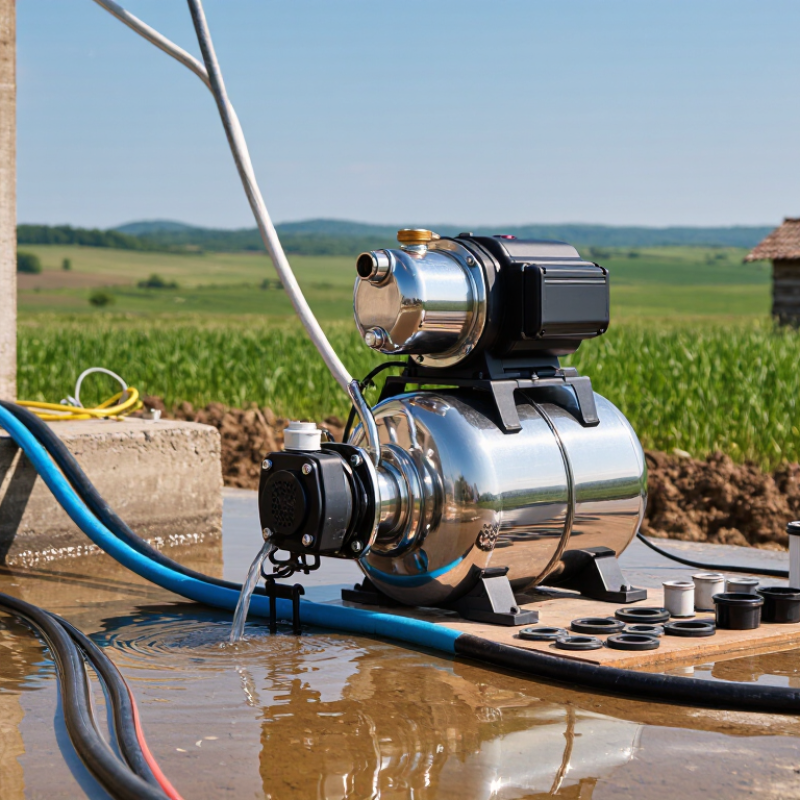
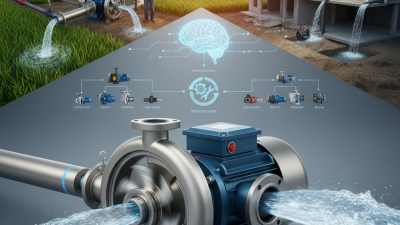
A clean water pump is designed to move fresh water without heavy sediment, oil, or aggressive chemicals. It is commonly used in homes, farms, buildings, and light industrial systems. The pump creates pressure by rotating an impeller inside a sealed chamber. Water enters through the suction pipe and reaches the impeller’s center. The spinning blades push water outward at higher speed and pressure. A diffuser or volute then guides the flow into the delivery pipe. Simple physics, but small design details matter.
In field installations, correct sizing often determines whether the pump performs reliably. Buyers should check flow rate, lifting height, pipe length, voltage, and water temperature. A pump that is too small may run continuously and overheat. One that is too large can waste energy and strain the pipe network. Clean inlet water also protects the impeller and mechanical seal from premature wear. Filters help, but they cannot repair poor installation. Keep that in mind. Noise, vibration, and unstable pressure can reveal alignment or air-leak problems. In practice, no pump fits every location perfectly. Local water conditions still deserve careful testing.
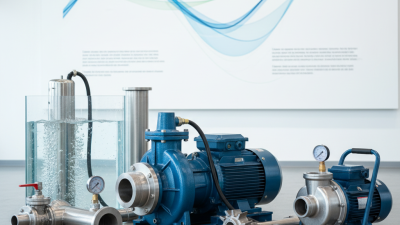
Clean water pumps transfer relatively clear water for domestic supply, irrigation, and industrial processes. Their impeller converts motor energy into water pressure and flow.
Approximate global freshwater withdrawals by sector: agriculture 69%, industry 19%, and domestic use 12%. Source: FAO AQUASTAT global estimates.
Clean water pumps suit diverse water supply needs because their applications vary greatly. A household may draw water from a shallow well, while a rural clinic may rely on a storage tank. Small farms often need steady pressure for drip irrigation. Conditions vary. A suitable pump must match flow rate, lifting height, pipe length, and daily demand. Ignoring one detail can cause weak pressure, overheating, or unnecessary energy use.
Global buyers also face different voltage systems, climates, water sources, and maintenance skills. A practical pump should support the local electrical supply and withstand humidity, dust, or frequent operation. Components made for potable-water contact should meet relevant regional safety requirements. Local technicians can also check seals, wiring, pressure controls, and installation depth before use. The details matter.
Field experience shows that catalog capacity alone rarely tells the full story. A pump rated for high flow may perform poorly through narrow pipes or steep rises. Selecting a slightly larger unit is not always wiser; it can waste power and increase wear. This is where technical advice, clear testing records, and accessible spare parts improve reliability. Even careful planning has limits. Groundwater levels can change, and household demand may grow. Buyers should review real operating conditions instead of trusting ideal laboratory figures.
For global buyers, a clean water pump should do more than move water. Its performance must match the installation, climate, and daily demand. Flow rate shows how much water the pump delivers. Head pressure shows how high it can lift that water. These figures should be checked together, not separately. A pump may advertise strong flow, yet lose pressure through long pipes, elbows, or clogged filters. Measure the real system before choosing. Small details matter.
For drinking-water and domestic systems, wetted materials deserve close inspection. Stainless steel, certified engineering polymers, and corrosion-resistant seals can reduce contamination risks. The exact grade still matters. “Stainless steel” is not one universal guarantee. Ask for material specifications, test records, and compliance documents relevant to the destination market. Mechanical seals should tolerate repeated starts, temperature changes, and fine sediment. In coastal or humid regions, external coatings and fasteners also need protection.
From field experience, energy efficiency is often judged too simply. A lower-wattage motor is not automatically cheaper to operate. It may run longer or struggle during peak demand. Variable-speed control can improve comfort and reduce pressure swings, but it adds electronics and maintenance points. Noise, dry-run protection, thermal overload protection, and accessible spare parts influence reliability. I would also leave a safety margin, though not an excessive one. Oversizing wastes energy and can cause cycling. My earlier assumption was different. Real water conditions usually expose the weakness.
Clean water pumps can reduce wasted energy when their capacity matches real demand. In field applications, oversized pumps often throttle flow through valves. That creates heat, noise, and unnecessary pressure loss. A correctly selected impeller, efficient motor, and variable-speed drive respond better to changing water needs.
The U.S. Department of Energy’s Improving Pumping System Performance sourcebook states that pumping systems may consume 25% to 50% of industrial facility electricity. This makes pump selection a practical energy decision, not only a maintenance concern. The International Energy Agency also reports that electric motor systems use more than half of global electricity. Efficient pump motors therefore deserve close attention.
Reliability improves through stable operation. Clean water contains fewer abrasive particles, helping protect mechanical seals, bearings, and impellers. Stainless materials, proper filtration, and correct suction conditions can extend service life. ISO 9906 performance testing also gives buyers a consistent basis for checking flow, head, and efficiency claims.
Small details matter.
However, efficiency figures can mislead when testing conditions differ from site conditions. A pump may perform well in a laboratory but struggle with long pipe runs or fluctuating demand. Buyers should review duty points, NPSH requirements, control settings, maintenance access, and local power quality. I have seen promising specifications fail because installation assumptions were never questioned. Performance should be verified after commissioning, not accepted from a brochure alone.
Before purchasing a clean water pump, global buyers should define the water, duty, and installation environment. “Clean” does not always mean identical. Sediment, temperature, dissolved salts, and intermittent supply can change material and seal requirements. The WHO/UNICEF Joint Monitoring Programme reported that 2.2 billion people lacked safely managed drinking water in 2022. This figure makes reliability more than a convenience. It affects daily health, production, and community resilience. Ask for verified flow, total dynamic head, duty cycle, and water temperature. Do not size from pipe diameter alone.
Energy deserves equal attention. The 2024 United Nations World Water Development Report notes that agriculture represents about 70% of global freshwater withdrawals. In irrigation, a pump running several hours daily can turn small efficiency losses into a large operating bill. Compare hydraulic efficiency, motor efficiency, standby consumption, and variable-speed control. Request test conditions, not only a headline efficiency number. ISO 9906 performance testing can help buyers compare declared flow and head under defined conditions. Yet laboratory results may not match a dusty site, weak grid, or long suction line. Plan for that gap.
Materials and support often decide service life. Check corrosion resistance, seal compatibility, electrical protection, spare-part availability, manuals, and local technician training. Ask for traceable test records and clear warranty terms. A lower price can hide frequent maintenance. Field experience often reveals missing details, such as restart behavior after voltage drops. That detail matters. A perfect specification is rarely possible. Document assumptions, then challenge them before approval.
| Purchase Dimension | Typical Clean-Water Pump Data | Why It Matters to Global Buyers | Recommended Verification |
|---|---|---|---|
| Suitable Water Type | Clear water with limited suspended solids; many standard pumps are designed for particles up to approximately 2–5 mm, depending on construction. | Using a clean-water pump for sewage, sludge, abrasive sand, or chemically aggressive liquid can cause clogging, seal damage, and premature wear. | Confirm the allowable particle size, liquid temperature, pH range, and chemical compatibility in the technical datasheet. |
| Flow Rate | Common residential and light-commercial models cover roughly 1–30 m³/h; larger systems may exceed this range. | Selecting the correct flow prevents insufficient water delivery and avoids unnecessary energy consumption or pipe stress. | Calculate the required demand from simultaneous outlets, storage-tank refill time, irrigation zones, or process requirements. |
| Total Head | Typical small clean-water pumps provide approximately 10–60 m of total head, with specialized units available outside this range. | Total head must cover elevation difference, pipe friction, fittings, filters, and the required outlet pressure. | Review the pump curve at the actual operating point rather than choosing a pump based only on the maximum head figure. |
| Power Supply | Common configurations include single-phase 220–240 V, single-phase 110–120 V, and three-phase 380–415 V at 50 or 60 Hz. | Voltage and frequency vary by country. An unsuitable motor supply can lead to overheating, poor performance, or installation failure. | Match the nameplate rating with the destination country's electrical system and confirm motor protection requirements. |
| Pump Efficiency | Hydraulic and motor efficiency varies by design, size, and operating point; many efficient small and medium systems operate around 40–75% overall efficiency. | Higher efficiency can reduce operating costs, especially in irrigation, water transfer, and continuous-duty applications. | Compare efficiency at the required flow and head, and request annual energy-consumption estimates for continuous operation. |
| Construction Materials | Common materials include engineering plastics, cast iron, stainless steel, carbon steel, ceramic, and elastomers selected for specific components. | Material selection affects corrosion resistance, durability, potable-water suitability, weight, and total lifecycle cost. | Request a component-level materials list covering the casing, impeller, shaft, mechanical seal, gaskets, and fasteners. |
| Installation Conditions | Installation may be horizontal or vertical; maximum suction lift for surface-mounted pumps is commonly limited by atmospheric pressure and practical system losses, often around 7–8 m in ideal conditions. | Incorrect suction piping, excessive lift, air leaks, or inadequate priming can cause cavitation and loss of water delivery. | Check inlet diameter, suction-lift requirements, NPSH conditions, priming method, ambient temperature, and installation orientation. |
| Protection and Controls | Common protective functions include thermal overload protection, dry-run protection, overcurrent protection, automatic pressure control, and float-switch control. | Protection improves reliability where water levels, voltage stability, and operating conditions may vary. | Confirm which protections are integrated and which require external control panels, sensors, or circuit breakers. |
| Noise and Vibration | Noise depends on motor speed, hydraulic design, mounting, and operating point; domestic installations generally benefit from low-vibration designs and resilient mounting. | Lower noise is important for homes, hotels, offices, hospitals, and other occupied areas. | Ask for tested sound data where available and review mounting, alignment, pipe support, and anti-vibration requirements. |
| Compliance and Documentation | Relevant requirements may cover electrical safety, electromagnetic compatibility, environmental protection, pressure equipment, and potable-water contact materials. | Documentation supports customs clearance, local installation approval, safety review, and product acceptance in the destination market. | Request the applicable declaration, test reports, installation manual, wiring diagram, performance curve, and maintenance instructions. |
| Maintenance and Spare Parts | Typical service items include mechanical seals, bearings, gaskets, capacitors, impellers, filters, and electrical protection components. | Availability of common parts can reduce downtime and lower the total cost of ownership for international users. | Confirm parts compatibility, recommended service intervals, warranty terms, technical support, and packaging for overseas transport. |
Note: The figures shown are general industry reference ranges. Actual performance depends on pump design, system resistance, water temperature, installation conditions, and the manufacturer's verified technical data.