Why Choose a Turbine Pump for Your Industrial Needs?
In the realm of industrial pumping solutions, the choice of equipment can greatly influence efficiency and productivity. Experts advocate for the use of a Turbine Pump due to its unique advantages. John Smith, a renowned engineer with over two decades of experience, states, "Turbine Pumps offer unmatched reliability for demanding applications."
These pumps are designed to handle high-pressure fluids effectively. Their versatility makes them suitable for various industries, from oil and gas to water treatment. A Turbine Pump can manage fluctuating flow rates and maintain performance under tough conditions. This adaptability often leads plant managers to prefer turbine pumps over other options.
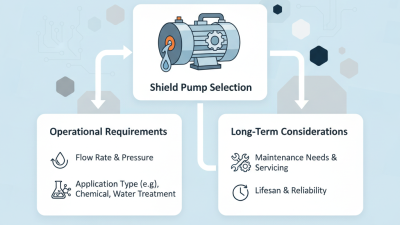
Nonetheless, the selection process can be daunting. Misjudging the requirements for a specific application can lead to inefficiencies. Understanding the full scope of operations is critical. In some cases, operators might overlook maintenance needs, impacting long-term performance. Evaluating all factors ensures that the Turbine Pump remains a worthy investment for industrial applications.
Types of Turbine Pumps and Their Applications in Industry
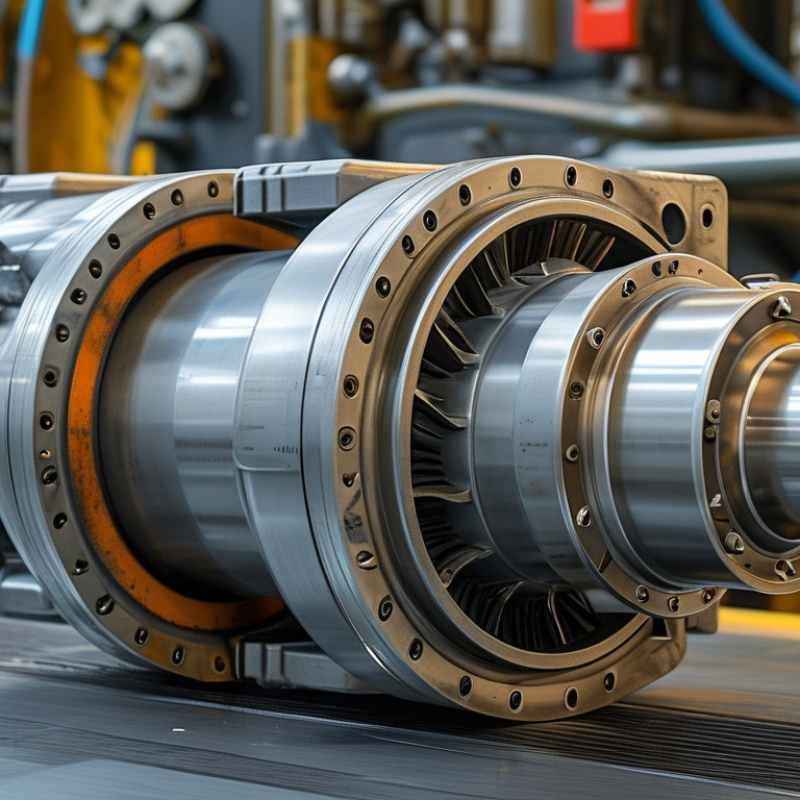
Turbine pumps are essential in various industrial applications due to their efficiency and versatility. These pumps can handle different fluids, including water, chemicals, and oil, making them widely useful. They operate by using a rotating turbine to move fluid through a system, offering a significant advantage in high-pressure applications.
There are several types of turbine pumps suited for different tasks. Vertical turbine pumps are common in deep well applications, lifting water from significant depths. Horizontal turbine pumps are suitable for surface installations, ideal for irrigation and municipal water supply. Submersible turbine pumps, on the other hand, excel in pumping fluids from underwater sources, providing reliability in challenging conditions.
Understanding the specific needs of a project is vital when choosing a turbine pump. Each type has unique strengths, but they are not without challenges. For instance, horizontal pumps may require careful alignment to avoid wear. Vertical pumps can face issues in high viscosity fluids. Evaluating these factors is essential to ensure a successful application in an industrial setting.
Types of Turbine Pumps and Their Applications in Industry
Advantages of Using Turbine Pumps Over Other Pump Types
Turbine pumps are an excellent choice for various industrial applications. They excel in high-head and low-flow scenarios. This makes them ideal for transferring liquids in tightly controlled environments. Their unique design allows for efficient energy consumption, leading to cost savings in the long run. Operators often find that these pumps maintain consistent performance over extended periods.
One notable advantage of turbine pumps is their versatility with different fluids. They handle both clean and slightly contaminated liquids well. This flexibility is crucial in industries such as oil and gas, water treatment, and agriculture. However, it’s essential to monitor the pump’s condition regularly. Wear and tear can impact performance, leading to potential inefficiencies.
Another point worth mentioning is the installation process. While turbine pumps are generally robust, they may require precise alignment during installation. Improper setup can lead to vibration issues, affecting longevity. Training staff on maintenance practices can mitigate these risks. Ultimately, weighing the benefits against these considerations can help in making an informed choice.
Factors to Consider When Selecting a Turbine Pump
When selecting a turbine pump, there are several critical factors to consider. The application requirements play a significant role. Different industries have unique fluid characteristics and flow rates. Understanding these needs helps in selecting the right pump. Turbine pumps work best with clean, non-abrasive fluids. This specificity limits their use in certain environments.
Pump efficiency is another vital aspect. Higher efficiency translates to lower operational costs. However, selecting a pump solely based on efficiency might overlook durability and maintenance needs. It’s essential to strike a balance. Consider the environment where the pump will operate. Factors like temperature and pressure can affect performance. Continuous operation might require more robust materials.
Lastly, think about the pump's installation and maintenance. A complex installation can lead to additional costs. Regular maintenance can ensure longevity but might require specialized knowledge. Engaging with professionals can provide valuable insights. Reflect on your team's expertise when making a choice. Each decision impacts overall performance and reliability, so thorough consideration is key.
Maintenance and Best Practices for Turbine Pumps
Turbine pumps are vital in many industrial applications. They are designed for high efficiency and can handle various fluids. However, like all equipment, they require proper maintenance to ensure longevity and reliability.
Regular inspections are essential. Check the wear of seals and bearings frequently. Replace worn parts before they cause bigger issues. Keep an eye on vibration levels. Excessive vibrations often indicate misalignment or other problems. Address these early to avoid extensive downtime.
Tips: Always lubricate bearings as specified. This simple step extends lifespan. Also, maintain accurate records of maintenance activities. Documentation helps track patterns and predict future needs. Regular training for operators is beneficial. Empowering staff with proper knowledge reduces errors.
Cleaning turbine pumps is crucial. Build-up can hamper performance. Use the right cleaning agents for your specific model. Be careful; aggressive cleaners might damage components. Review guidelines before starting. Lastly, consider environmental factors. Temperature fluctuations can affect your pump’s performance. Monitor and adjust settings accordingly.
Common Industries Utilizing Turbine Pumps for Efficiency
Turbine pumps are becoming increasingly essential across several industries. Their design facilitates high efficiency, making them ideal for applications requiring reliable fluid transfer. Various sectors utilize these pumps, including water treatment, oil and gas, and chemical processing.
In the water treatment industry, turbine pumps efficiently manage flow rates. A report from the American Society of Civil Engineers highlights that 70% of municipal water systems utilize some form of turbine technology. This ensures the reliability and safety of drinking water. Similarly, in oil and gas, these pumps handle high-viscosity fluids with ease. A study by the U.S. Energy Information Administration noted that turbine pumps account for about 40% of all oil extraction methods.
The chemical processing sector also benefits from the durability and adaptability of turbine pumps. They can handle corrosive fluids, reducing the risk of leaks and contamination. According to the Chemical Engineering Progress report, these pumps improve overall operational efficiency by up to 30% in this field. However, challenges can arise, such as the need for regular maintenance to prevent wear and tear. These factors remind industries of the importance of careful attention to the equipment in use.